



"Nightborn" and Why We Need More Feminist Horror
Coralie Fargeat once said that “Being a woman is body horror,” and when you think about the ways we are taught to experience our own bodies, it becomes almost impossible to argue with her.
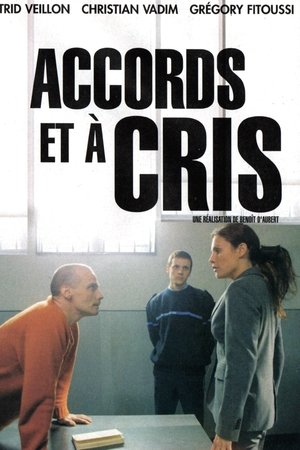


Anne Versois is both a psychiatrist and a cellist in a small orchestra. She entrusts her instrument to her friend Delphine and goes to prison to conduct a psychiatric examination of the inmate Victor Marchi. While she is interviewing the accused, Delphine's car explodes. She later learns that the explosion is of criminal origin. It was a bomb that blew up the vehicle.
Coralie Fargeat once said that “Being a woman is body horror,” and when you think about the ways we are taught to experience our own bodies, it becomes almost impossible to argue with her.
'Legally Blonde' remains a standard of feminist filmmaking over two decades after its release, although its poor treatment of racial and sexual minorities make it a product of its time.
For the entirety of Raiders of the Lost Ark, Marion remains in full control of both her body and her personality, a rarity for female characters at the time of the film’s release. She’s granted depth with personal demons from her past and emotional vulnerability when the situation deems it appropriate for her to grow alongside Indy. She avidly rejects the notion of being anything other than a sassy, humane rebel, and Indy’s equal in every way. This she does while still maintaining her femininity.
Hokum is an enjoyable horror film that will probably get a little under your skin, but it isn’t the tour de force that you might be expecting.
The classic ghosts-in-revenge story expanded into an extensive dig into the historical social system while being funny and horny.
This Pride month, Hulu’s 'Love, Victor' comes to a close with its third and final season—it’s most complicated yet sweetest season yet.