
"Do Revenge" Bends Genres, Champions Authenticity, and Promotes Inclusivity
'Do Revenge' offers a 2022-relevant sociopolitical commentary that decries virtue signaling while promoting the inclusive virtues the nefarious power structures exploit.
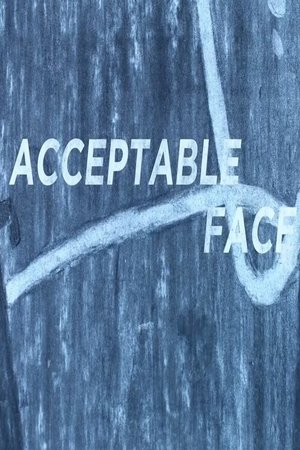


An animated discussion about the ‘ideal’ respectable queer person. How would they look, act, and let people know that they’re not “that kind of gay”? Based on a series of interviews with LGBTQ+ people, this experimental charcoal animation explores the pressure to be a ‘good example’, and the joy of refusing to conform.
'Do Revenge' offers a 2022-relevant sociopolitical commentary that decries virtue signaling while promoting the inclusive virtues the nefarious power structures exploit.
Yes, "Nope" is definitely about the modern obsession with turning tragedy and horror into a spectacle for people’s enjoyment. But it's also about the power of looking, who has the right to look, and what happens to those who are looked upon.
A homeless girl faces depression and uncertainty during the holidays.
Love, Simon (2018) based on the book “Simon vs The Homo Sapiens Agenda” (by Becky Albertalli) is a teen LGBTQ+ rom-com with themes of longing to find others with similar struggles, and ultimately is a story of acceptance of identity from those around you, and most importantly, from yourself.
The Gates, John Burr’s new thriller film, is a disturbingly realistic portrayal of three Black twenty-somethings - Derek (Mason Gooding), Kevin (Algee Smith), and Tyon (Keith Powers), as they accidentally take a wrong turn into a gated community that’s more like a modern-day sundown town. The three friends witness a variety of crimes in their new surroundings, including an attempted homicide and an attempted rape. As they attempt to alert the authorities and do the right thing, they are thwarted at every turn by the worst horror stories of American conservatism - racist white suburbanites, reckless gun violence, corrupt police, religious mania, and a megalomaniacal pastor.
'Reservation Dogs' is stacked with an array of Native American performers and crew telling their own story.