





The Heroes of "Hustlers"
"Hustlers" returns power to groups that are traditionally deprived of it: women, the working class, and sex workers.
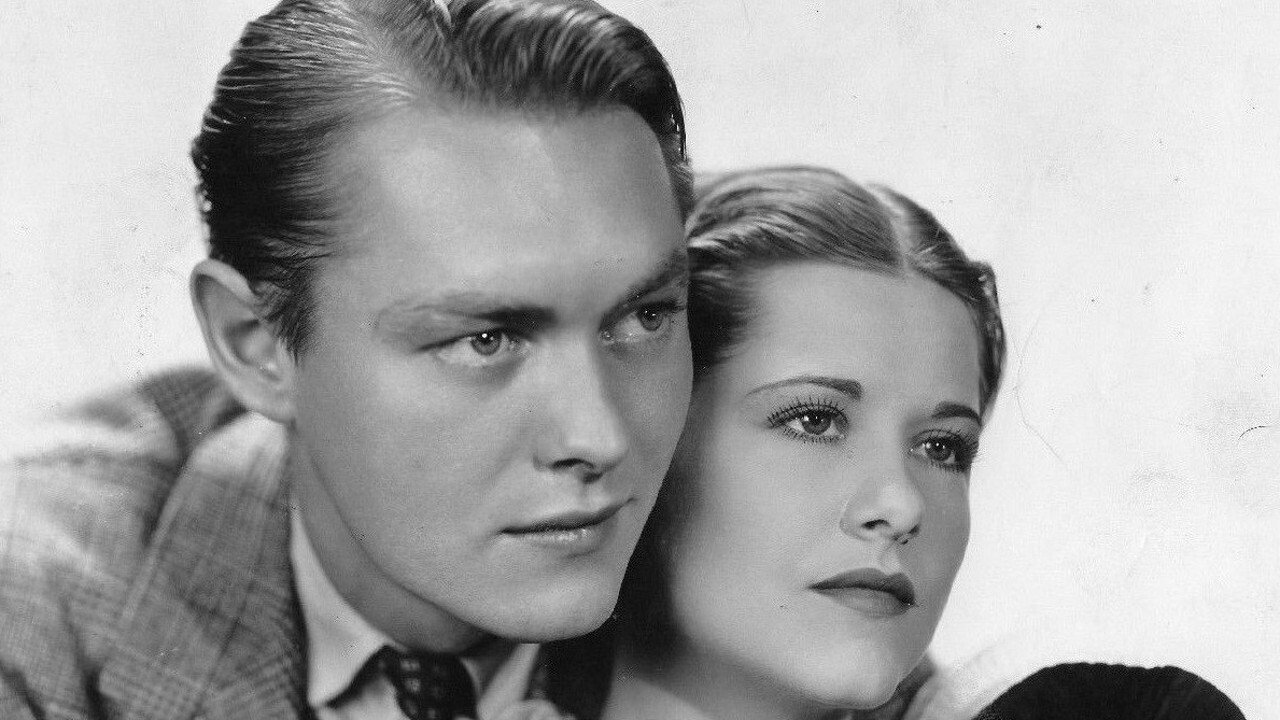
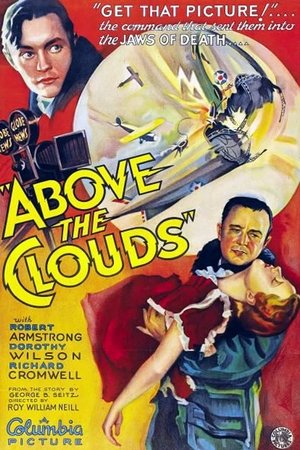


Robert Armstrong stars as Scoop Adams, an ace newsreel cameraman whose love affair with the bottle all but destroys him professionally. Scoop manages to get his photographer pal Dick (Richard Cromwell) fired as well, but he promises to restore Dick's reputation, some way or another. He gets his chance while covering a dirigible wreck (some three years before the Hindenburg), saving the day for both Dick and himself.
"Hustlers" returns power to groups that are traditionally deprived of it: women, the working class, and sex workers.
Omaha reminds us of what it can feel like to look at old family photographs. You sit with the bittersweetness, allowing it to wash over you; not drowning in it, but certainly affected by it.
Mahavatar Narsimha (2025) brings the epic tale of Hiranyakashipu to life with stunning animation, intense action, and a bold retelling of this timeless mythological drama.
What starts off as a success story for a single mother living below the poverty line, slowly begins to weave itself into a tangled web of greed, guilt, and destruction.
On the Road captures the bleak, hyper-masculine world of long-haul trucking in Northern Mexico, where anything can and will happen. A hard-boiled, neon-noir romantic thriller, it shows the gritty reality of roadside diners, truck stops, and truck cemeteries alongside the expansive, breathless beauty of the Mexican desert highways.
There’s enough evidence to insinuate that What We Do in the Shadows is intentionally queer-coded.