The Good Deeds in ‘A Good Person’
‘A Good Person’ makes it clear that forgiveness is hard.
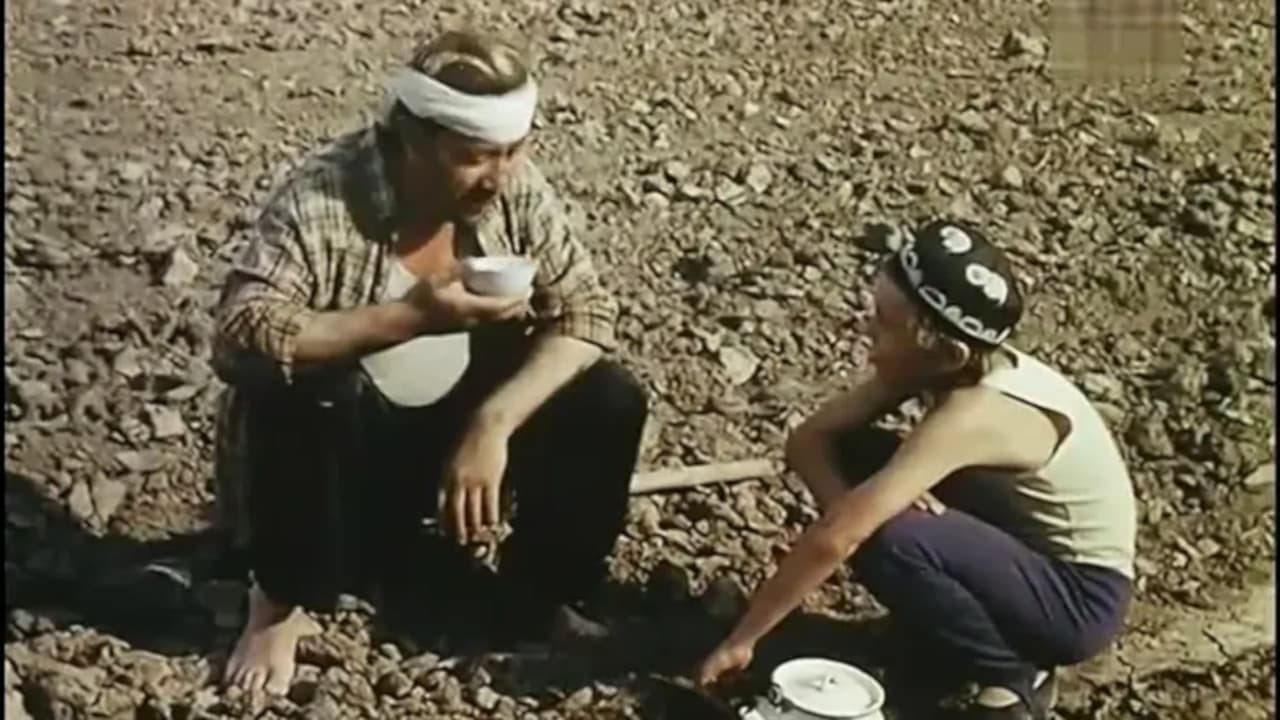



Considering that Musakov’s Abdulladzhan (1991) was dedicated to Steven Spielberg, we might suggest that these four boys embody nothing more complicated than a conflict of youthful innocence with some ominous threat—the basic workings of E.T. (1982) or War of the Worlds (2005), say. That threat, however, is best understood not through vague nationalism or warmed-over socialism, but through the other reference-point of Abdulladzhan—Tarkovskii’s Stalker (1980). Musakov leaves his boys in a simplified radiance so bright and so overexposed that it no longer looks like the skies of sunny Tashkent, but a disturbing, borderless luminosity to match the flat tonal range of Stalker’s “Zone.” Our Uzbek boys are nowhere in particular; this is a broader domain than anything international.
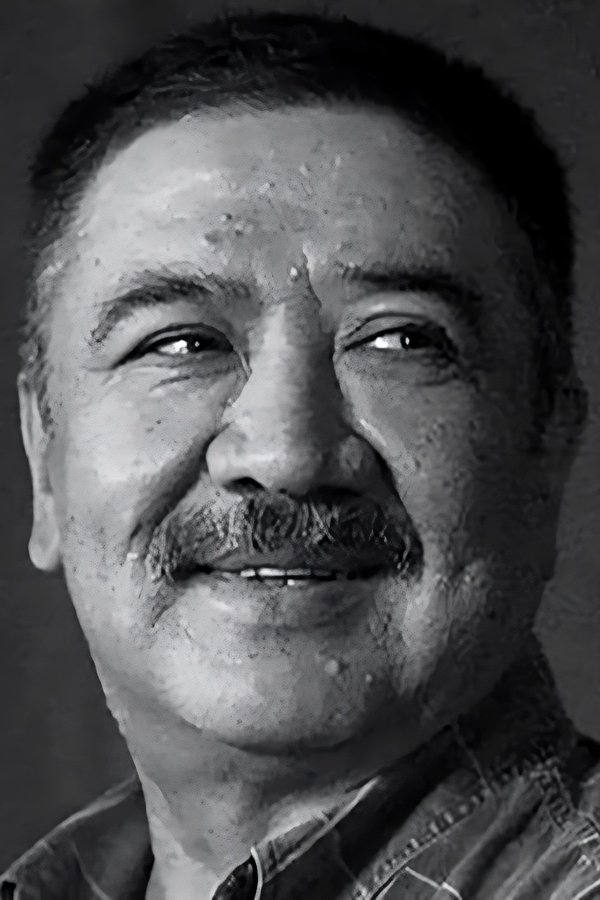
Zulfikar Musakov
Director


Shukhrat Kayumov
Abdulladzhan - alien

Tuti Yusupova
Holida-aka - Bazarbai's wife

Radzhab Adashev
Bazarbai
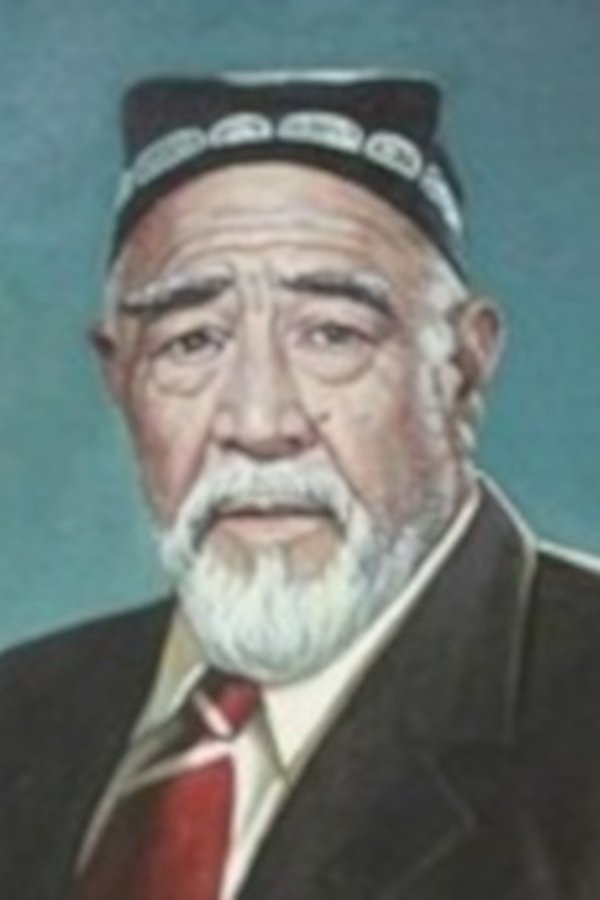
Tuychi Aripov
Rais-ota - collective farm chairman

Dzhavlon Khamrayev
Yuldash

Khodzhiakbar Nurmatov
Hasanbai
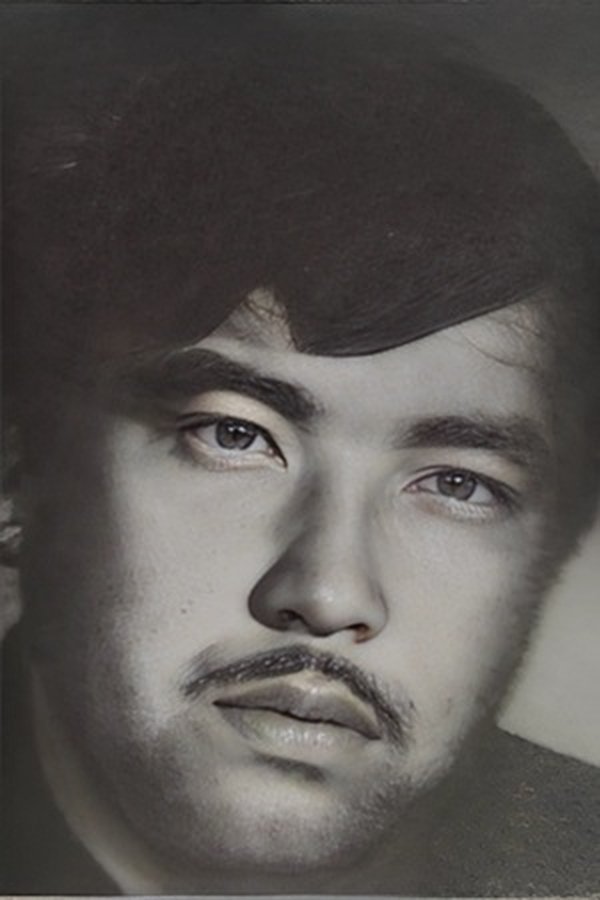
Jamol Hoshimov
Matkaul

Sergey Dreyden
airplane pilot

Galina Lukovnikova-Mamedova
village resident
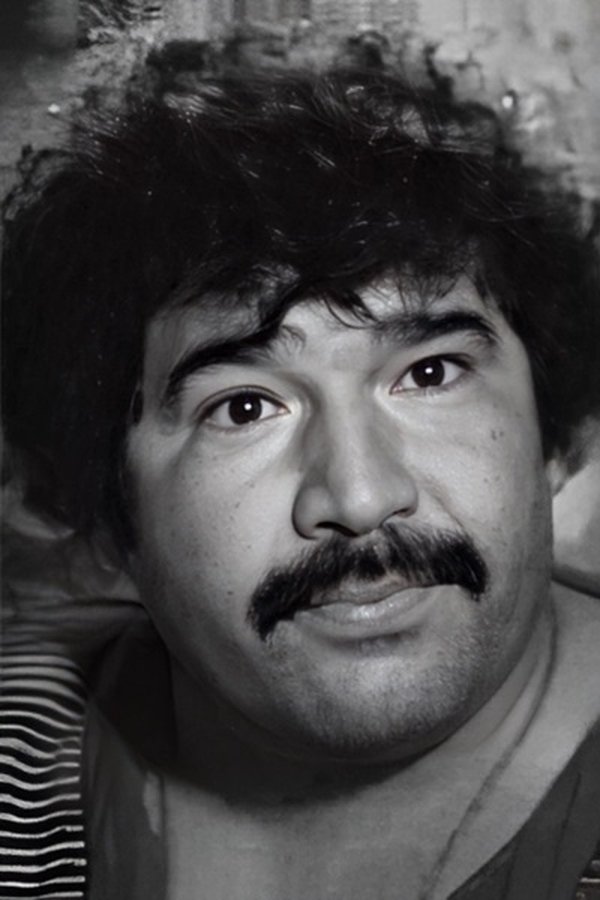
Abror Tursunov
шофер председателя

Ergash Muminov
Boltobay - Bazarbai's son
‘A Good Person’ makes it clear that forgiveness is hard.
A strong representation of African Americans in this film features evil spirits and horror-themed elements.
The Vietnamese perspective is not only completely ignored in 'The Greatest Beer Run Ever', but it is blatantly whitewashed and disrespected.
A man found himself stuck inside the passage to the subway exit on the way to work.
Remakes. Reboots. Reinventions. Redundancy. It's the common practice in Hollywood of late, sometimes offering us victorious reimagining of what can be considered cinematic classics while also, more often, falling flat on their UN-imaginative faces in utter defeat and lackluster results. Admittedly, with this in mind, I went into the newest incarnation of "The War of the Roses" with typical trepidation and cautious optimism.
‘Candyman’ (2021) builds upon the original 1992 film by presenting the myth of Candyman not only as an example of black pain, but as an opportunity for black vengeance.