
Magic in the 'Moon Knight'
It’s a cool looking Marvel character right off the page! He’s got these glowing eyes and he just kicks ass everywhere he goes, seemingly impervious to pain.
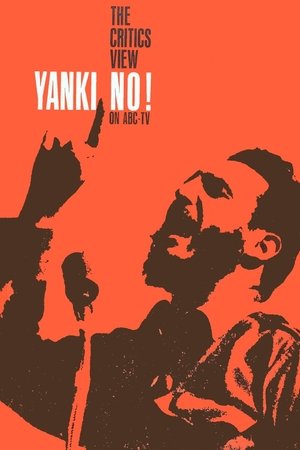


A 1960 cinéma vérité documentary on anti-American sentiment in Latin America, combining observational footage from Caracas and political events, directed by Robert Drew and shot by Maysles, Leacock, and Pennebaker. (Note: Originally broadcast as a standalone documentary on ABC, "Yanki, No!" is widely cited and archived as a discrete direct-cinema film with its own title, production identity, and critical reception, rather than as an anonymous TV news magazine episode.)
It’s a cool looking Marvel character right off the page! He’s got these glowing eyes and he just kicks ass everywhere he goes, seemingly impervious to pain.
Wuthering Heights— What is the cost of love?
The death of Grace's father brings challenges as the family tries to preserve their ranch.
Netflix takes some liberties in its portrayal of Madame CJ Walker, a trailblazing Black entrepreneur.
This Disney+ movie is about a 12-year-old math genius who wants to become a rapper.