






'The Lego Movie' Brilliantly Subverts Movie Tropes
The Lego Movie achieves great humor and story with a combination of childish comedy, adult references, irony, and by subverting popular movie tropes.
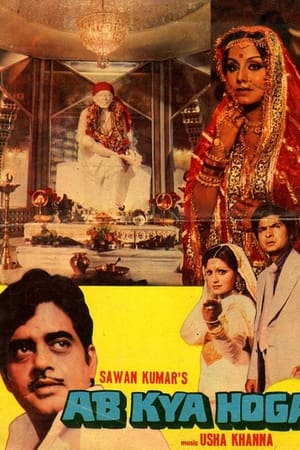


Ram Sinha comes from a wealthy family. His mother would like him to get married so that their family can have a heir. Ram entrust's this job to his mother, and let's her decide who he should marry. Ram's marriage is arranged with a beautiful young woman named Chitralekha. After the marriage, Ram accuses Chitralekha of being inhuman, a ghost, who is out to kill him. But Chitralekha denies this, and pledges her lifelong love for him. Ram, his friend, Rajesh, and his wife decide to travel elsewhere, but no matter where they go, they see a ghostly apparition of Chitralekha following them everywhere.
The Lego Movie achieves great humor and story with a combination of childish comedy, adult references, irony, and by subverting popular movie tropes.
Swapped combines comedy, adventure and emotional growth while delivering one of the biggest plot twists in animation history.
Disney has cleverly managed to dance around the misdeeds of their past by scraping by with an insincere action that does very little to incite any long-lasting positive changes.
The venn diagram of pop feminism and white-centered feminism is a circle. Acknowledging that is not a crime nor a diminishing of 'Barbie', Director Gerwig, or feminism in general.
A refreshing twist is that all the kids’ powers are…kind of useless. There’s a kid who can only move in slow motion, a kid who has every power in the world but can only use them randomly, and our main character Missy who has no powers at all. The thesis of the film seems to be that it doesn’t matter what kind of powers you have, its the way you use them, which is good for the warm and fuzzies.