



A Closer Inspection of LGBT Characters in Film
We have a long way to go with LGBT representation in film, especially when it comes to LGBT characters of color and trans characters.

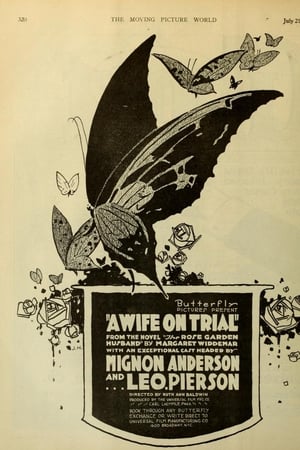
Phyllis Narcissa, an underpaid children's librarian, eagerly accepts a dinner invitation from Horace de Guenther, one of her patrons, and happily entertains his invalid wife. Later, Mrs. de Guenther encourages Phyllis to meet with Mrs. Harrington, a dying rich woman whose son Allan, once a vigorous young man, was paralyzed in an auto accident. When Mrs. Harrington proposes to the librarian that she marry and take care of Allan in exchange for his wealth, Phyllis reluctantly consents. While struggling to cheer up the eternally gloomy Allan, Phyllis welcomes the visits of his friend, a doctor who informs her that her husband's paralysis may be psychosomatic.
We have a long way to go with LGBT representation in film, especially when it comes to LGBT characters of color and trans characters.
The sequel to the first film, A Second Chance: Rivals! talks about Maddy combating cyberbullying and racism.
The Slumber Party Massacre wonderfully combines the suspense of its horror with its commentary on gender, creating a memorable slasher classic that began a horror trilogy entirely written and directed by women.
The Outer Senshi get characterization and some stellar moments in the second part of the Eternal movie duo.
Based on a true story, this sports movie is centered around a college football player.
The relationship between Will and Sean is the best part of the movie. It’s always a delight to see Robin Williams on screen