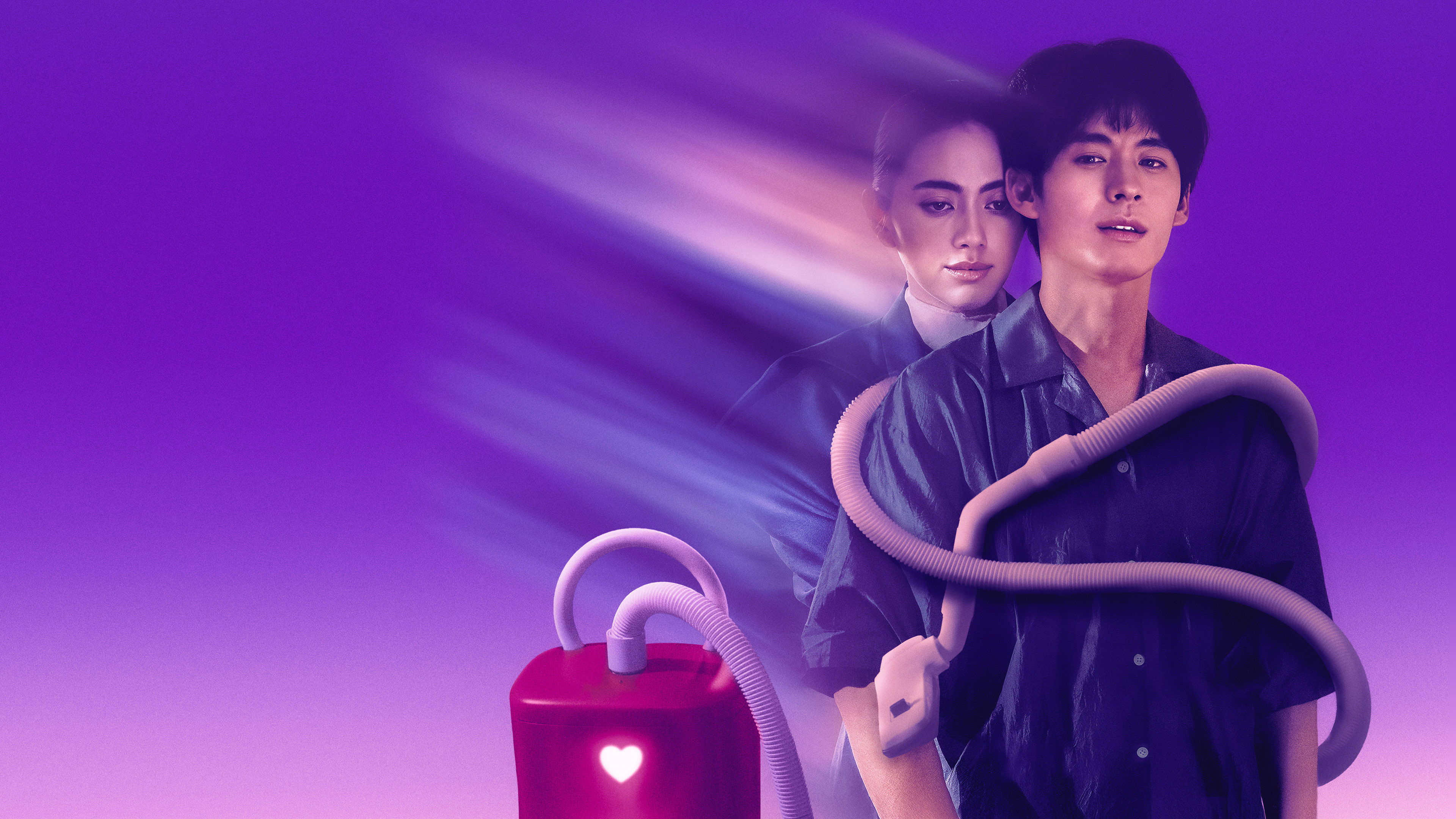
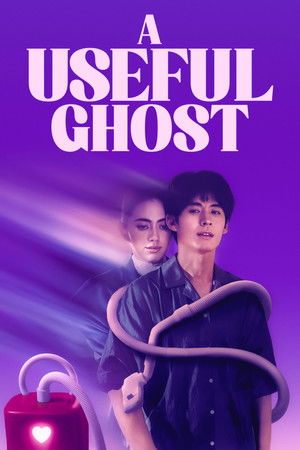
Accompanied by the light piano soundtrack, A Useful Ghost opened with a stone mural that attempted to present modern Thailand and its making process with real-life models. The Thai tableau consisted of a soldier, an athlete, a goat, a student, two workers, a monk, and a woman and a child greeting with closed palms. Time passed by, and the mural was now in the way of the construction of a new shopping mall with a slogan, “The future is now.” The mural was taken apart and dragged over the ground, which smashed the corner of stone and produced dust. The wind brought the dust into the home of a self-acclaimed “academic ladyboy,” who was researching the mural, causing them to sneeze. They went to buy a vacuum in a store. However, the vacuum was haunted and malfunctioned. The main plot of the movie was in the story told by a handsome repairman, Krong, that showed up at their house to fix the vacuum.
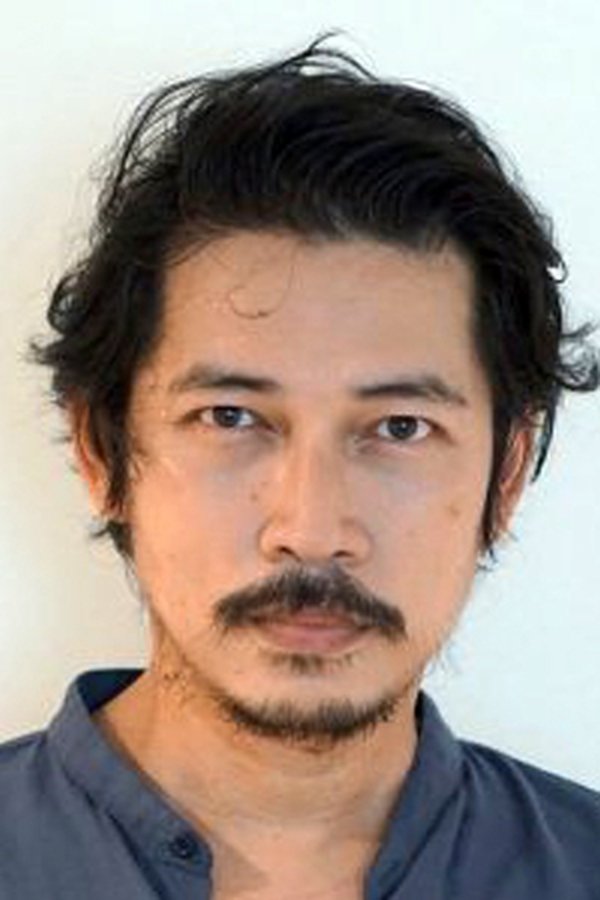
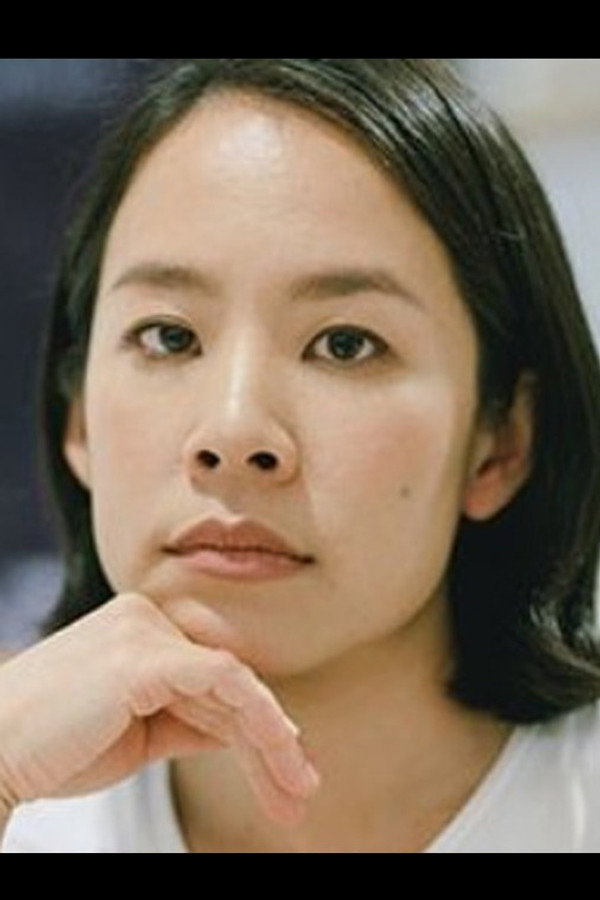
Before the main story began, the film already introduced various interconnected topics: the changing national identity, the development of the urban landscape, and pollution and health issues. Afterwards, Krong’s(Wanlop Rungkumjad) story started with two ghosts. Tok(Krittin Thongmai), a worker, passed away during work and haunted the electronic factory as revenge, as well as Nat(Davika Hoorne), a deceased wife, who possessed a vacuum to stay with her alive husband. Later on, the story expanded into saving the memories of the Red Shirt massacre that former Thai Prime Minister ordered upon the anti-dictatorship protesters in 2010, of which Krong himself was one of the victims. With detailed backgrounds and various personal motives, the various characters linked the past, the present, and the future, driving the narrative into complexity. More themes were presented: the exploitation of workers, women in Asian families, classism, xenophobic discrimination, the marginalized groups who are comparatively vulnerable under the crisis, queer love, dreams, memories, and history. The connections between these themes are not forceful but seamless and realistic, in contrast to the supernatural theme, as the topics are factually connected in life.
Ghosts are the hope of living people to build a passage towards their beloveds who have passed away and also towards justice. But ghosts were still humans; they can’t escape the historical socioeconomic system, and that’s how the past holds on to living human beings—through our memories of the dead and our love for them. When Nat went to see her hospitalized husband, she couldn’t bypass the hospital’s rule even as a vacuum. The aloof and bitter receptionist and the red vacuum sitting in the waiting area composed an ironic and iconic scene. Afterwards, in order to be with her husband and possibly a child, Nat agreed to help Dr. Paul and Suman erase the haunting ghosts by entering people’s dreams and identifying the dreamers. After the electroshock, the ghosts disappeared along with their loved ones’ faded memory of them. While Suman wanted to reopen the factory by erasing Tok’s boyfriend’s memories, Dr. Paul(Gandhi Wasuvitchayagit), the Prime Minister of Thailand, wanted Nat to help him and his associates get rid of the vengeful souls of the victims of their atrocities. Dreams are highlighted as an important dimension for memories to enter the unconscious mind.