
Why 'Wakanda Forever' Will be Better Than its Predecessor
Only time will tell what this new Black Panther and movie will show us with all of the old and new elements of the superhero craft integrated.
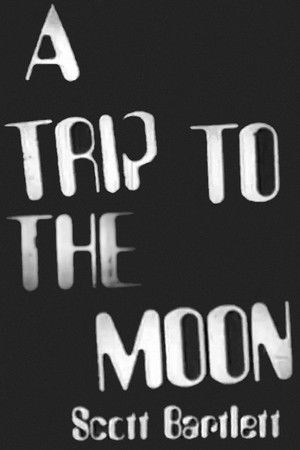


Originally shot in color, this politically-charged special was a collaboration between young artists angry at the system. Just days before airing, the Master tapes were 'accidentally' erased. It was taken to court and, after several years, the local TV station was found guilty of willfully destroying the tapes. Featuring inventive VFX and co-opting songs by the Doors, Dylan and the Steve Miller Band. "Seven young men, each of them involved in one of the arts [...] talk for the greater part of the film. They are involved in a discussion of mystical processes important to them" - Film-makers Co-Op
Only time will tell what this new Black Panther and movie will show us with all of the old and new elements of the superhero craft integrated.
The horror franchise that had moviegoers watching behind their fingers but on the edge of their seats. The Conjuring quartet released its final installment this year, and it did not disappoint.
Wes Anderson offers a light-hearted comedy in the Middle East centering around Catholic motifs.
By undermining the appeal and credibility of black characters, the show compromises the very idea of diversity and representation it sets to promote.
Sorry to Bother You ultimately speaks to the unfair advantages that the country’s power structures award to those with the resources to control others, as Lift’s easy access to the media allows his opinion to be the only one that matters in the eyes of the unsuspecting and easily impressed public. Moreover, it reveals the extent to which the American Dream has any true validity. It postulates how the promise of success and fulfillment as promoted by the American Dream more often than not leads to the undoing of the individual. Interestingly, in its revealing of the American Dream as merely a facade, Sorry to Bother You wisely questions whether or not anything can really be done to undo a system that has been accepted and in action for centuries.
The Night Doctor achieves telling an original story in which the pace accelerates progressively while supported by dark aesthetics.