

The precarious representations in One Battle After Another
A bumpy journey about revolution and family makes us feel fear, disgust, humor, and satisfaction.
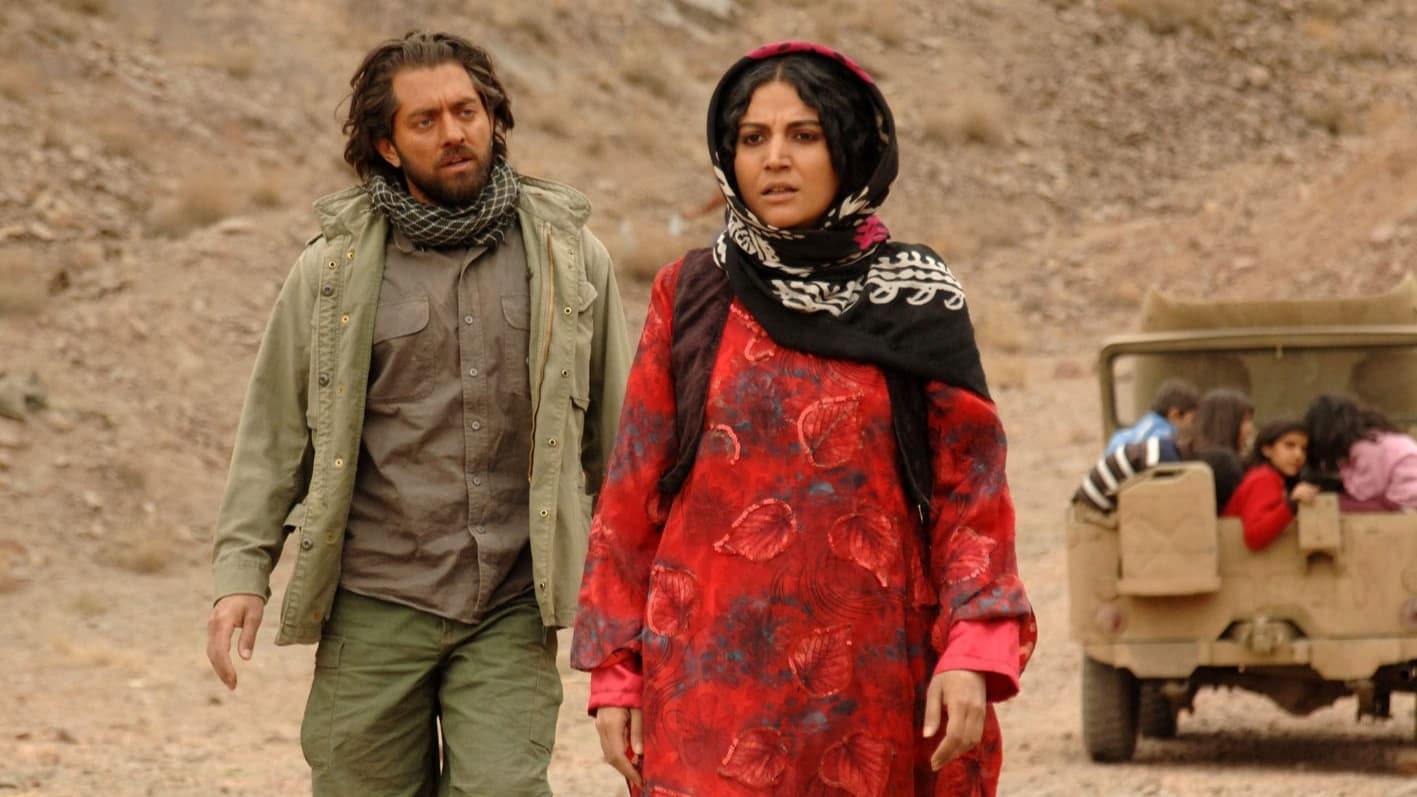



in 1988 Saddam attacks Halabja, a city in Iraqi Kurdistan. After the chemical bombardment of Halabja, an Iranian war photographer is the first man to enter the city. There he meets a woman and a tale of love begins.
A bumpy journey about revolution and family makes us feel fear, disgust, humor, and satisfaction.
Rather than focusing on the bleak, cynical aspects of life post-pandemic, the focus is optimistic and hopeful.
Madres takes place in the 70’s following a Hispanic married couple who move to a migrant farming community. Diana, who is pregnant, starts to become suspicious of their new environment after she and the women around her develop strange symptoms. Could it be a curse, a sickness, or something else?
Where we leave the characters is in such a peaceful and optimistic place. It feels well-earned to ensure everyone gets their own specially-crafted happy ending.
Battles will come and go and queer people do die for their identity and fights for rights, but that doesn’t mean the gays don’t deserve their happy endings in stories.
I first saw Dear Evan Hansen on the Broadway stage. Apparently, I was so blown away by the magic of theater that I didn’t pick up on the questionable dynamics. The story's clumsy handling in the movie brought those issues to light.