Wednesday Addams
The iconic title character stars in her own horror and gothic TV series.

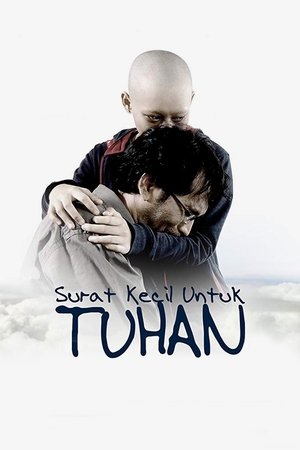
Keke is a young girl with a loving father and mother, as well as loyal friends. She is diagnosed with Rhabdomyosarcoma (a cancer of connective tissues), which is unusual at her age. After undergoing twenty-five sessions of chemotherapy, the once healthy and beautiful Keke finds herself sickly and bald, with a disfigured face. Although the treatment initially works, the cancer returns a year later. Doctors estimate that Keke has three months to live. To help her deal with her pain, she begins keeping a diary; through her writing she finds the strength to hold on for a year. As she begins to accept her fate, she writes a letter to God in her diary, asking that her family be kept safe.
The iconic title character stars in her own horror and gothic TV series.
The newest in a long line of Cinderella adaptations, Amazon’s Cinderella (2021) prizes girlbossification above the very story it tries to adapt.
This delightfully odd horror movie presents a whimsically strange alternate reality to younger audiences.
When diverse representation is featured on-screen, it oftentimes comes with strings attached that undermine the message they were trying to send. This can be attributed to the fact that behind-the-screen, the industry primarily does not reflect the breadth of diverse difference that is present in daily life. That’s why when something as powerful and authentic as Minari comes along, it is both incredibly wonderful and needs a large audience to witness it.
Korean pop culture has mastered emotions as both a scientific field and an artistic revolution. Think of how K-Pop and K-Dramas have taken over the world. How? Simply put — they are addictive. How are they addictive?
There's no hiding the horrors of war in this inspiring story of survival