
A Sense of Loss (1972)
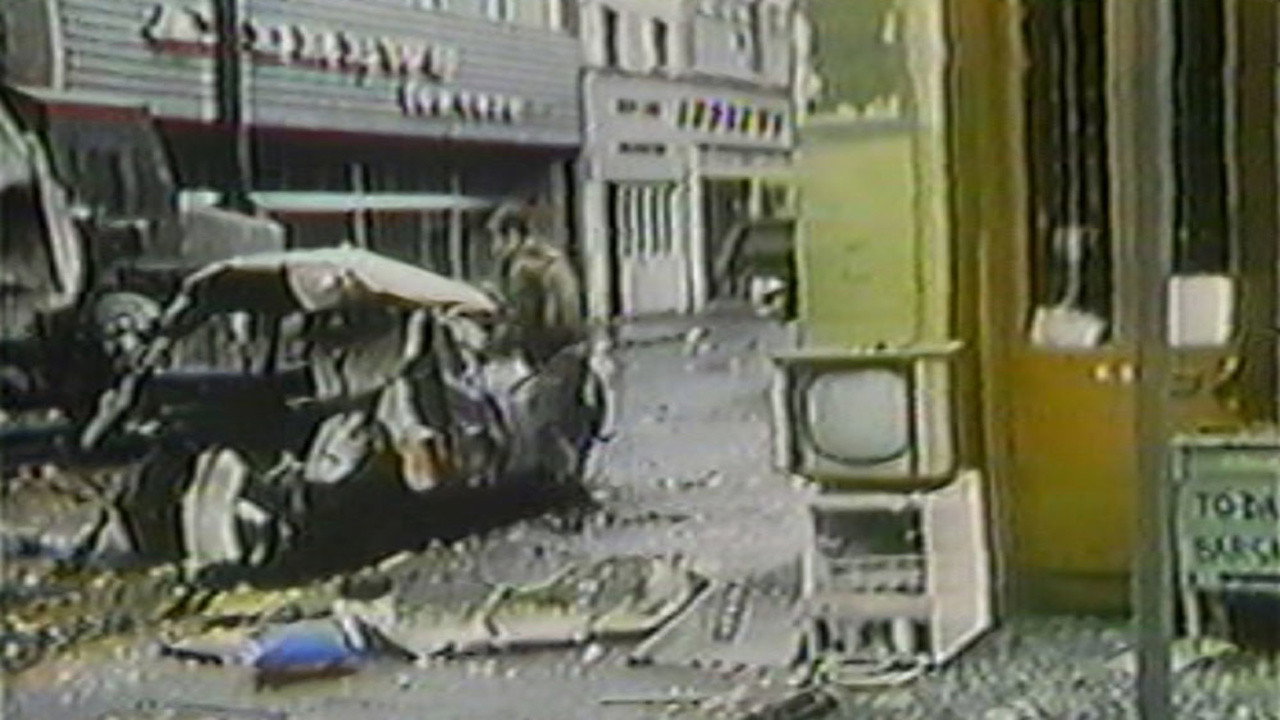
Shot over six weeks in December 1971, and January 1972, the film consisted of interviews with Protestants, Catholics, politicians, and some soldiers, combined with TV news clips of bombings and violence. The deaths of four individuals formed the central focus of the film, which Ophüls described as ‘an old, middle-aged, humanistic, social-democratic attempt to give people an idea that life after all is not that cheap’. The BBC refused to transmit the completed film on the grounds that it was ‘too pro-Irish’ (Sunday Times, 5 Nov. 1972). (via http://cain.ulst.ac.uk/othelem/media/docs/freespeech.htm)

- / 5
PopScore
Representation
Pictures and Videos

Movie Information
Shot over six weeks in December 1971, and January 1972, the film consisted of interviews with Protestants, Catholics, politicians, and some soldiers, combined with TV news clips of bombings and violence. The deaths of four individuals formed the central focus of the film, which Ophüls described as ‘an old, middle-aged, humanistic, social-democratic attempt to give people an idea that life after all is not that cheap’. The BBC refused to transmit the completed film on the grounds that it was ‘too pro-Irish’ (Sunday Times, 5 Nov. 1972). (via http://cain.ulst.ac.uk/othelem/media/docs/freespeech.htm)
Rating:
Genre:Documentary
Written By:
In Theaters:10/2/1972
Box Office:
Runtime:135 minutes
Studio:Maxpal
Cast


Articles You May Like
Are You There God? It's Me, Margaret. (2023)
This coming-of-age movie based on the 1970 book by Judy Blume gives viewers a scope on female topics in the quest for a religious identity.
What 'Magnolia' Says About Childhood Trauma
Magnolia focuses on how one’s childhood and trauma relate to their confidence and self.
Fast & Furious: Hobbs and Shaw Review
Eventually, “Hobbs and Shaw” introduces us to a Samoan community. Clearly, Johnson’s Samoan roots are on display. Quite frankly, I found this section of the film very intriguing. The “Fast and Furious” franchise has a solid track record in the diversity department
Is Blood Thicker Than Water? 'Moonlight,' Father Figures, and Their Representation
(Disclaimer: Harmful Language) In celebration of Pride Month, Father's Day, and father figures (and whoever supports you), I revisit Moonlight's brief but spectacular character, Juan. With overarching themes tied to masculinity, I reexamine his intimacy with Little.
'Hannah Montana & Miley Cyrus': Fans Get to See the "Best of Both Worlds''
This article will cover why this film is categorized as a documentary and concert film.