A Conversation With the Filmmakers of 'When Men Were Men'
Hours before their line-up of screenings for Trans Awareness Week began, the filmmakers of 'When Men Were Men' chatted with me about the film's personal exploration of masculinity.




In 1930, the chance meeting of a novelist and one of his fans opens the door to a series of mysterious events culminating in the death of a wealthy industrialist who may have been leading a double life.
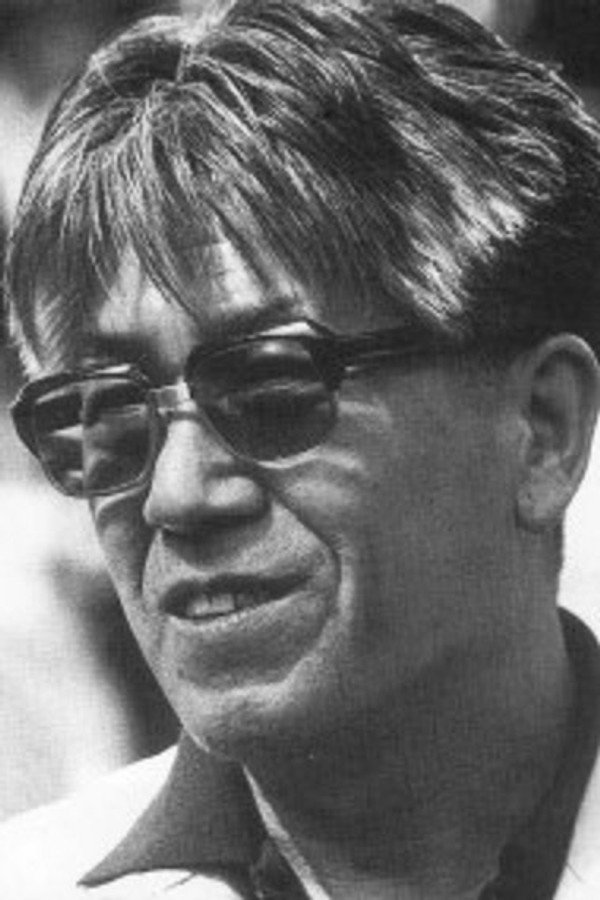
Tai Katō
Director


Teruhiko Aoi
Kôichirô Samukawa

Yoshiko Kayama
Shizuko Oyamada

Tomisaburō Wakayama
Tatsuo Honda

Mitsuko Baisho
Sumiko Miyajima - The Actress

Mariko Kaga
Fumiko Masuda

Yūsuke Kawazu
Aramaru

Noboru Nakaya
Kawatarô Uekusa

Jin Nakayama
Prosecutor Itozaki

Yoko Nogiwa
Kyôko Uekusa

Kumi Taguchi
Helen Christie

Ryutaro Otomo
Rokuro Oyamada
Hours before their line-up of screenings for Trans Awareness Week began, the filmmakers of 'When Men Were Men' chatted with me about the film's personal exploration of masculinity.
It took writers D.B Weiss and David Benioff two years to give us a promising final season. Two. Years. It was just going to be six episodes, which was short considering that all the other seasons — except season 7 — were 10 episodes. 10. 6 wasn’t enough, and even HBO wanted to give the writers more episodes. More seasons, even. However, the writers wanted to get out of the show as quickly as possible to work on other projects. This abruptness is clearly shown in this season.
Two movies that do a fantastic job in conveying the ongoing struggle for racial justice are Selma (2014) and Just Mercy (2019).
"65" (2023) is the latest Dino flick to try and answer "what else can we do with dinosaurs?"
Clearly, in the end, Allison raised a responsible child because she knew that her "friend" was doing something that made her uncomfortable and turned away from her. No worries, Super mom was already one step ahead of her.
In all actuality, “Just Mercy” should be labeled a “wall punching narrative.” Constantly, the flick throws high forms of adversity our way, amping up our most inner levels of discomfort. Filmmaker Destin Daniel Cretton wonderfully paces the film in such a way that replicates the slow-burn nature of justice.