



'Black Panther: Wakanda Forever' Is A Transitional Film Honoring The Mantle and Impact
The nations of Wakanda and Talokan enter war over their opposing viewpoints on dealing with the destructive hearts of humankind on the surface world.

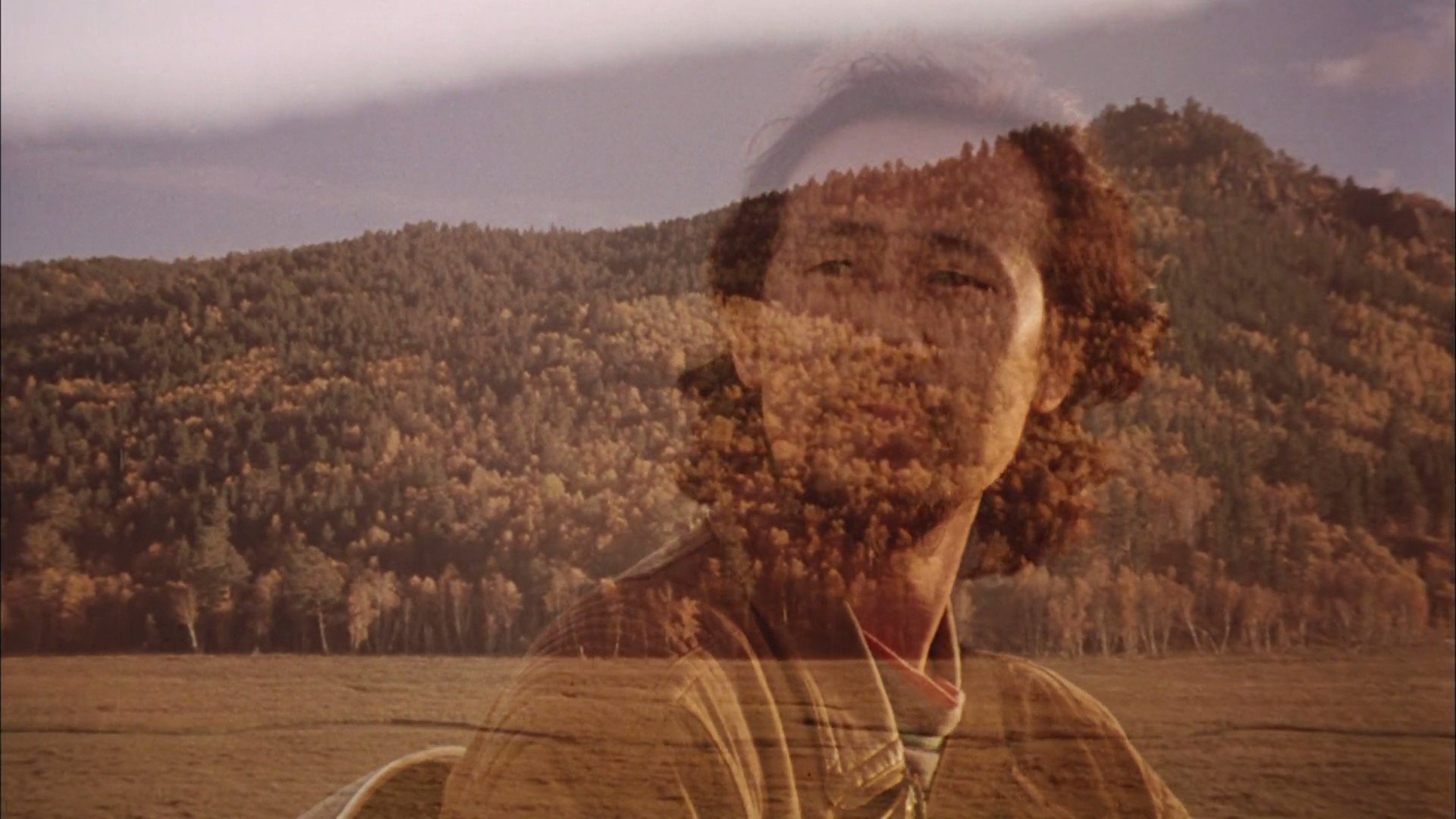
Bayinbulag and Somiya are brought up, from a young age, as brother and sister by their adoptive grandmother. The three live happily in a yurt on the Mongolian steppes. Just before Bayinbulag is to leave for the city, to be trained as a vet, the grandmother suggests that Bayinbulag and Somiya should eventually marry. Bayinbulag, now training to be a musician, stays away for long periods of time without communicating with Somiya. He finally comes back expecting to marry her.
The nations of Wakanda and Talokan enter war over their opposing viewpoints on dealing with the destructive hearts of humankind on the surface world.
In the film adaptation, director Jon M. Chu turns each musical number into a massive show stopper, with grand set pieces and a wealth of diverse dancers. Yet, in this attempt to show reverence for the people of the Washington Heights barrio, Chu, or maybe more specifically those in charge of casting, left out a crucial part of the community, Afro-Latinos.
If you want to feel the rush, you have to take the risk.
With the theme of unemployment, it presents a family fantasy anecdote rather the a comment on social problems.
Guillermo del Toro highlights a touch of innocence in the Gothic classic. The journey of Victor Frankenstein defying death gained inspiration from the Eastern energy system that is named ‘Qi’ and the lymphatic system being studied by Muslim scholars.