


An Interview with Writer/Director Albert Acosta
We sat down with Writer/Director Albert Acosta to discuss his debut short film, (ha-ha), Acosta's foray into narrative cinema, and how his personal experiences have shaped his filmmaking philosophy.
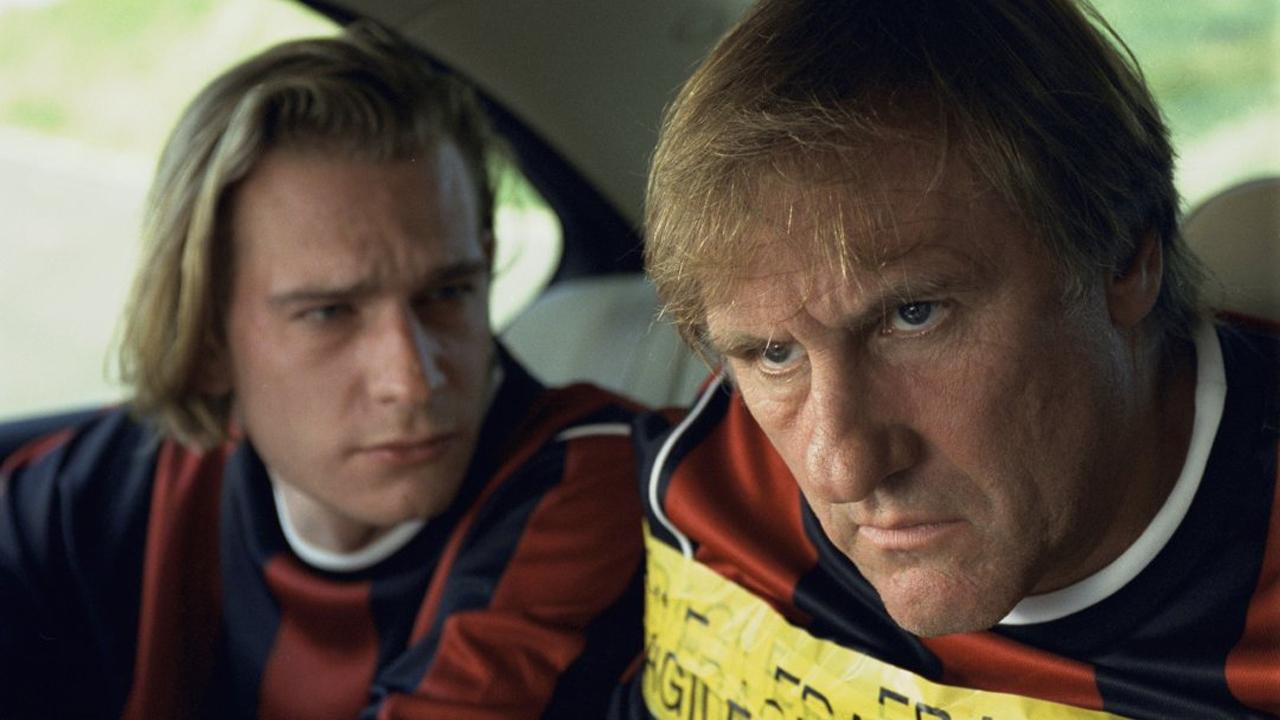
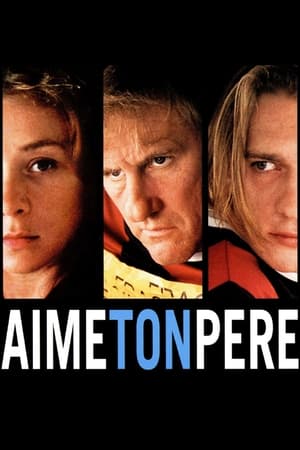


Writer Léo Shepherd lives in rural France together with his daughter Virginia, who manages his affairs. One day Virginia gets a call from the Swedish Academy. Léo has won the Nobel Prize for Literature. His estranged son Paul tries desperately to contact him, but is denied every time by his sister. When Léo starts traveling to the ceremony in Stockholm by motor bike, Paul decides to follow him and try to speak to him. Clearly Léo doesn't want to be followed, starts speeding and gets involved in a accident, but isn't badly hurt. The police confuse another motorist for Shepherd and announce his death. Paul, driven by his childhood experiences, decides to kidnap his father.
We sat down with Writer/Director Albert Acosta to discuss his debut short film, (ha-ha), Acosta's foray into narrative cinema, and how his personal experiences have shaped his filmmaking philosophy.
The film basically says she was a lost cause from the start. We don't get a sense of who Marilyn was.
There is no aspect of this film that falls short, except perhaps in minor ways.
By undermining the appeal and credibility of black characters, the show compromises the very idea of diversity and representation it sets to promote.
Greta Garbo, a queer actress playing a real-life queer Queen is the best of both worlds.
Seven years after George Miller's previous film, 'Mad Max: Fury Road', he dives back into the scene with an equally daring movie. Although not nearly as action-packed, his newest film 'Three Thousand Years Of Longing' challenges the typical format of a film, giving you a well-known plot in an unexpected way.