The Gloriously Unapologetic Queerness of The Sandman
The Sandman features a plethora of LGBTQ+ characters and is openly expressive about it!
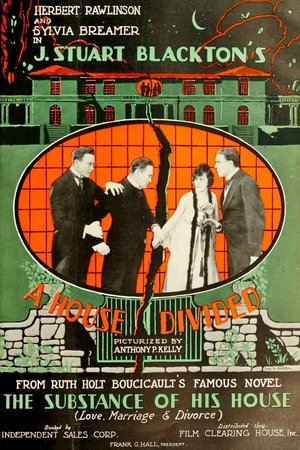


Orphan Mary Lord, the ward of Sir Arthur Stanhope of Parliament, is attracted to Philip Carmichael, a young politician, who ignores her and goes through a supposedly mock marriage at a wild party with actress Sheelah Delayne. Years later, Philip falls in love with Mary, now married to Sir Arthur, who dies from a stroke when he sees Philip and Mary together. Remorseful, they try to keep apart but eventually marry in France. Later, Sheelah confronts Philip with their son and proof that they are married. When Philip is arrested for bigamy, Mary testifies, to her humiliation, that she and Philip are not married, and then disappears. After her son dies, Sheelah goes to France as a canteen worker and finds Mary wandering in a daze. Feeling pity, Sheelah has her marriage annulled and sends for Philip. When Mary hears soldiers sing a song she used to sing to Philip, she recognizes Philip and they resume their marriage.
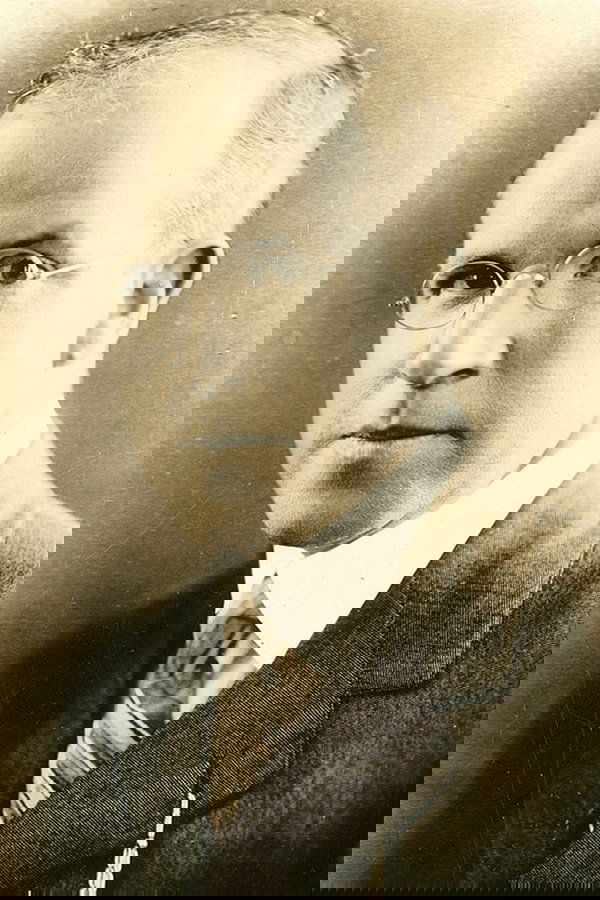
J. Stuart Blackton
Director

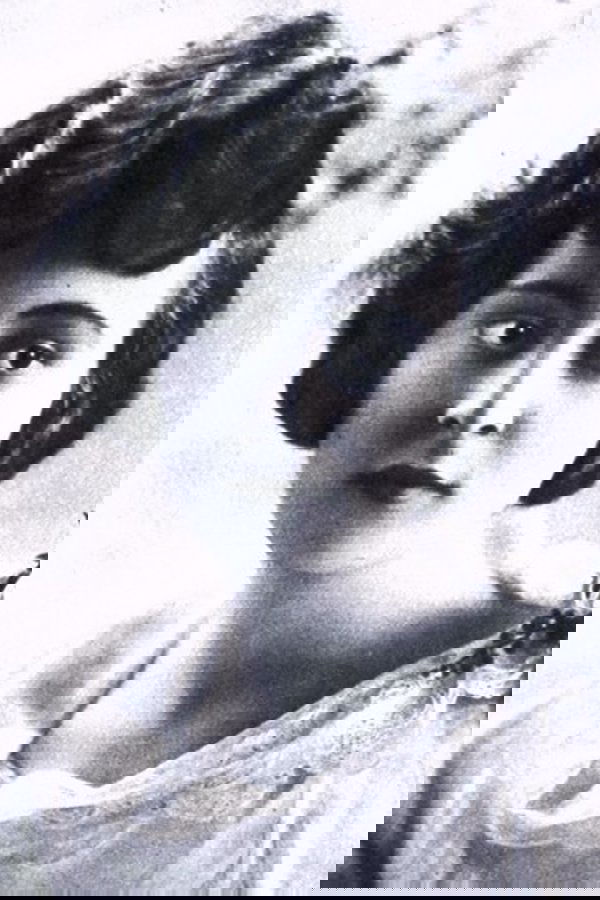
Sylvia Breamer
Mary Lord
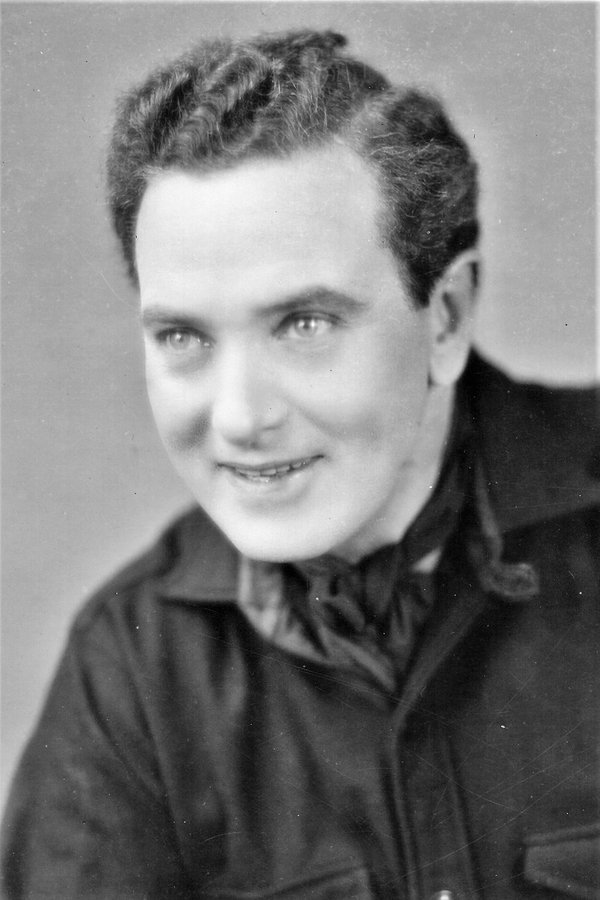
Herbert Rawlinson
Philip Carmichael

Lawrence Grossmith
Ben Baldwin

Sally Crute
Sheelah Delayne
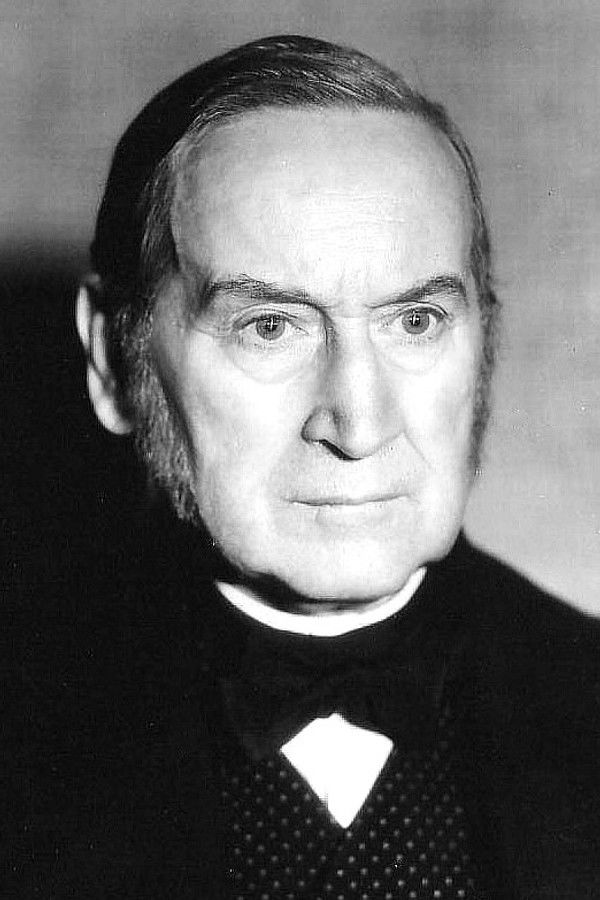
William Humphrey
Sir Arthur Stanhope

Eric Mayne
Duke of Northland
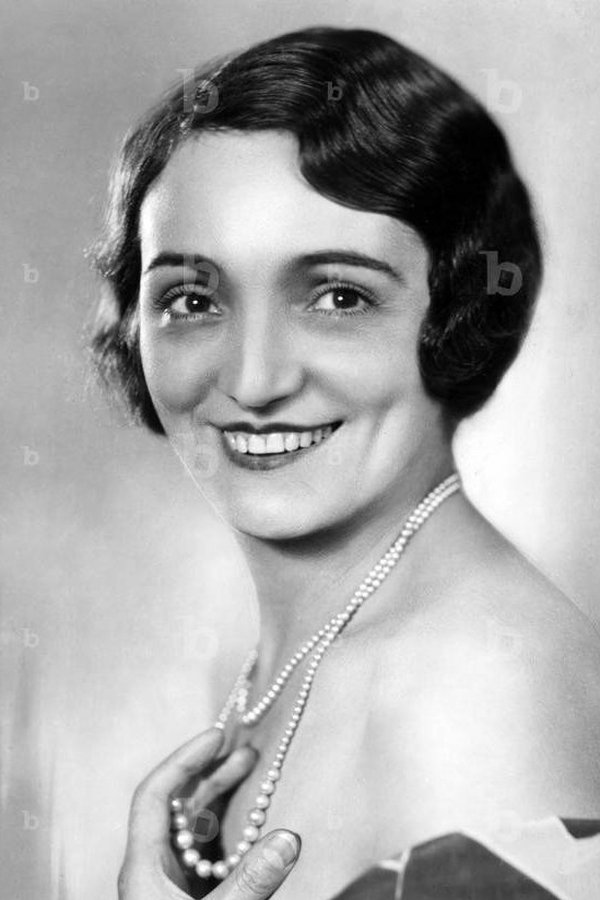
Marie Burke
Duchess of Northland
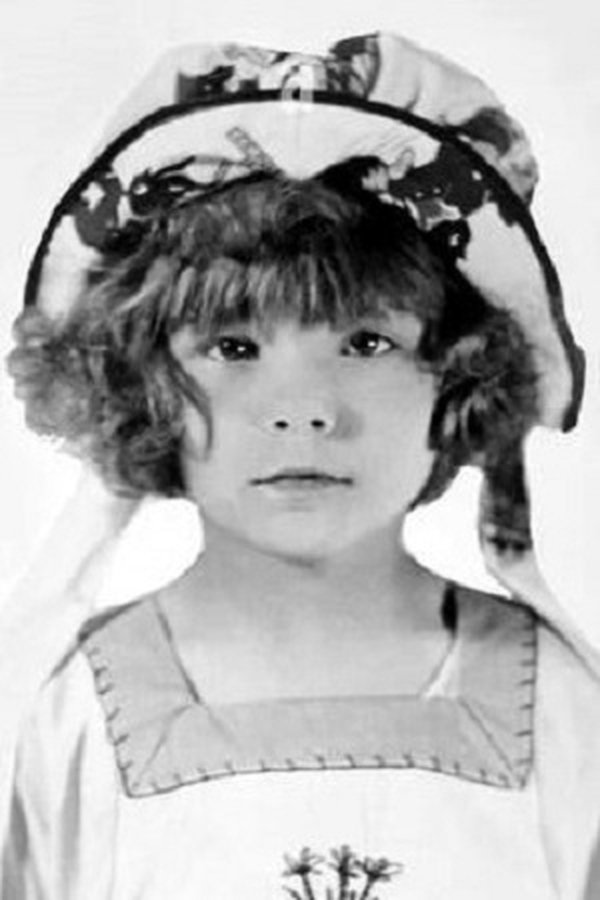
Baby Ivy Ward
Michael Carmichael
Shirley Huxley
Jessie Baldwin
Charles Stuart Blackton
Charles
Violet Virginia Blackton
Violet
The Sandman features a plethora of LGBTQ+ characters and is openly expressive about it!
Films about casinos have long been a favorite of Hollywood. This is unsurprising, as they're often tied to magnetic characters whose lives revolve around luxury, spectacle, and even danger.
Not every film can make a shopping mall feel both magical and menacing, but Forbidden Fruits challenges that.
On top of the phenomenal acting, and great dialogue between the two characters, the cinematography was ravishing! The sound was outstanding! The production design was simple, yet intrinsic. The minimalistic approach in the Malibu beach house represented how little they really have going on in their relationship. The storyline may have been much simpler than "Who's Afraid of Virginia Wolf," but all the more insightful, and much more animalistic at its core.
Disney/Pixar may see a bit of a turning point with Pixar’s new Disney+ Sparkshorts short film: OUT.
Considering the runtime, I expected each scene to hit harder as opposed to a series of montages and vignettes.