Why "People We Meet On Vacation" Did Not Meet Its Full Potential
Emily Henry’s adaptation reaches romance movie standards, but not romance reader standards.
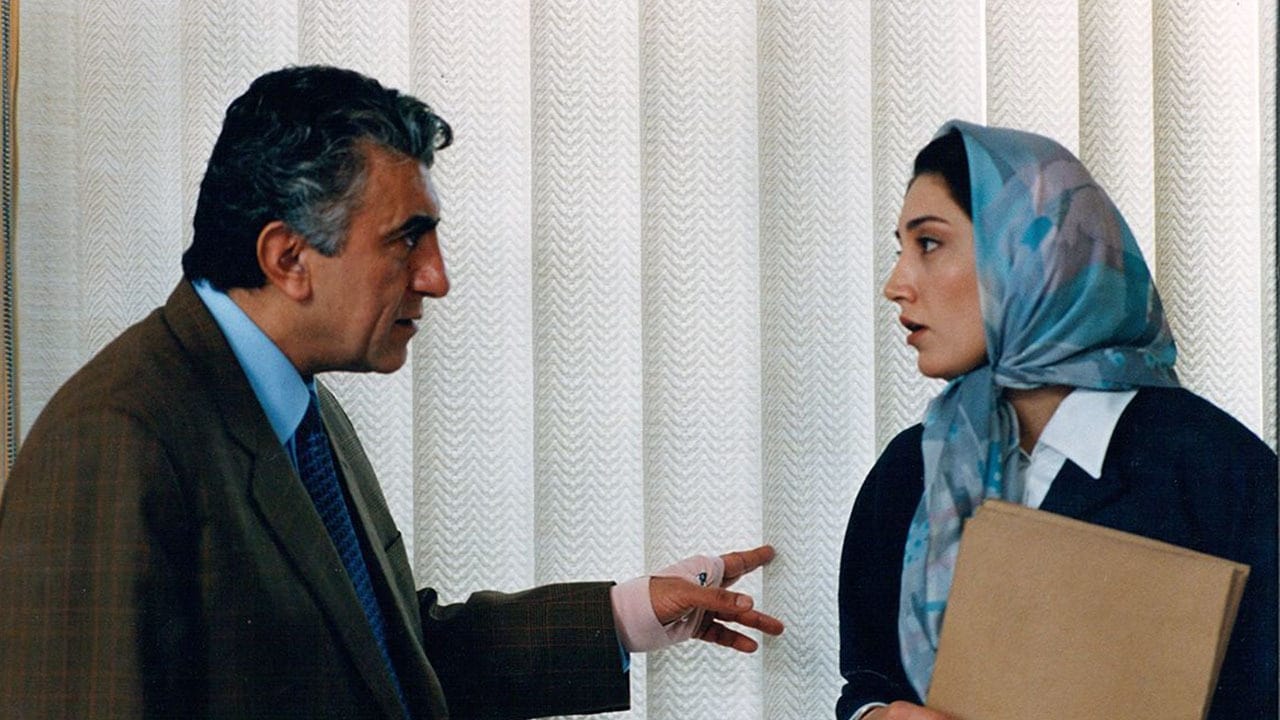



Director Bahman Farmanara's second film following a 20-year exile from his native Iran depicts the spiritual crisis of a middle-aged man. In the film's dreamlike opening scene, Dr. Reza Sepidbakht (Reza Kianian), a well-off Tehran gynecologist, thinks he runs over an angel while driving home at night with a call girl. The next morning at the hospital where he works, he is shown a comatose boy who is famous for having memorized the entire Koran. These two events cause him to rethink his cynical outlook on life and his relationships with his elderly father, wayward son, and the women he has mistreated since becoming estranged from his wife. When the boy awakens from his coma, Dr. Sepidbakht begins to look to him for answers.

Bahman Farmanara
Director

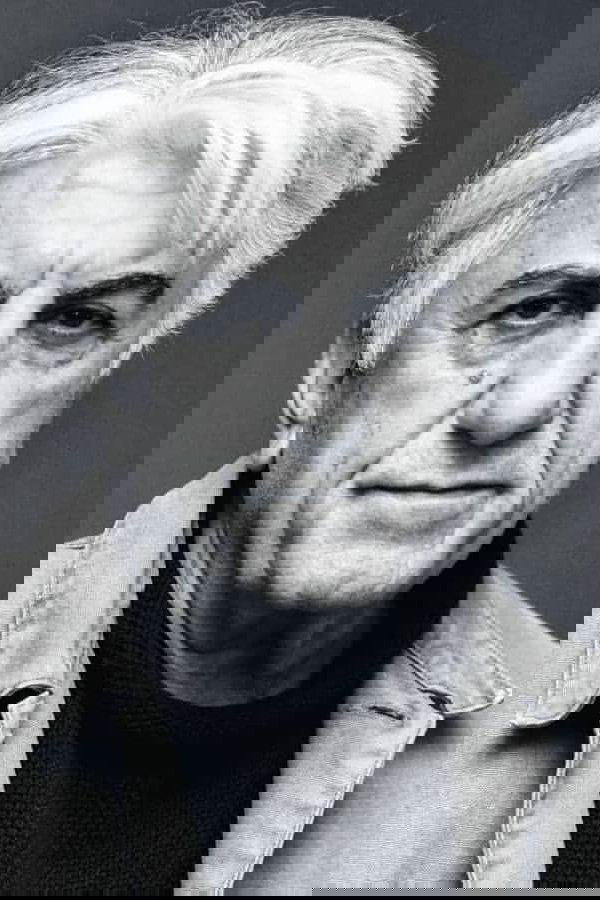
Reza Kianian
Dr. Reza Sepidbakht
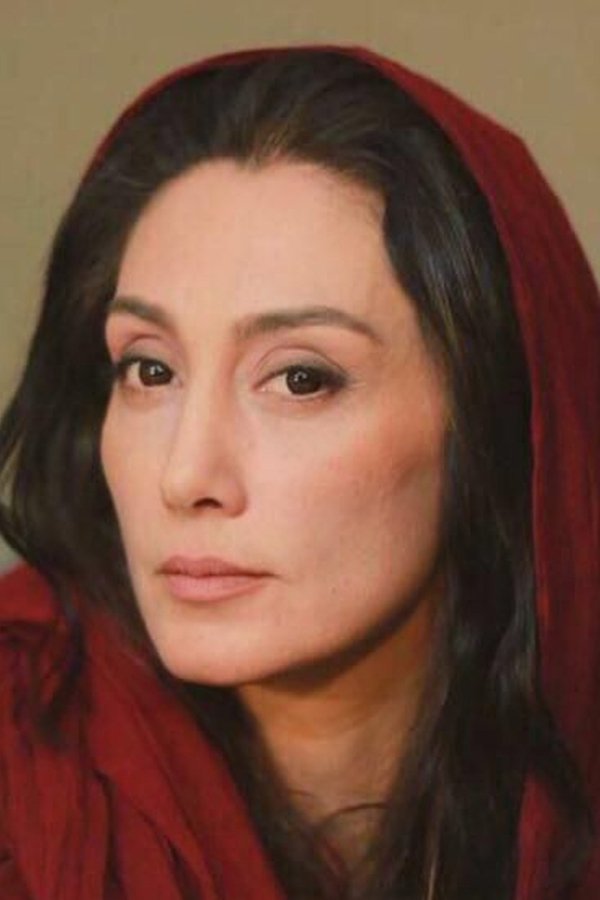
Hedie Tehrani
Jale Tirandaz
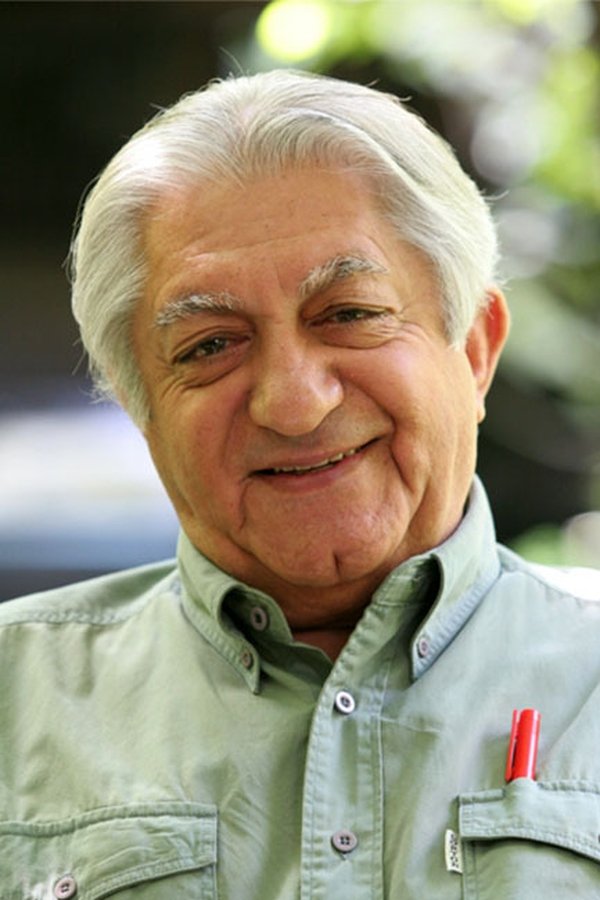
Ezzatollah Entezami
Dr. Sepidbakht's father

Jamshid Mashayekhi
Dr. Latifian

Bita Farrahi
Mrs. Taleghani

Behnaz Jafari
Mojgan Ahadi
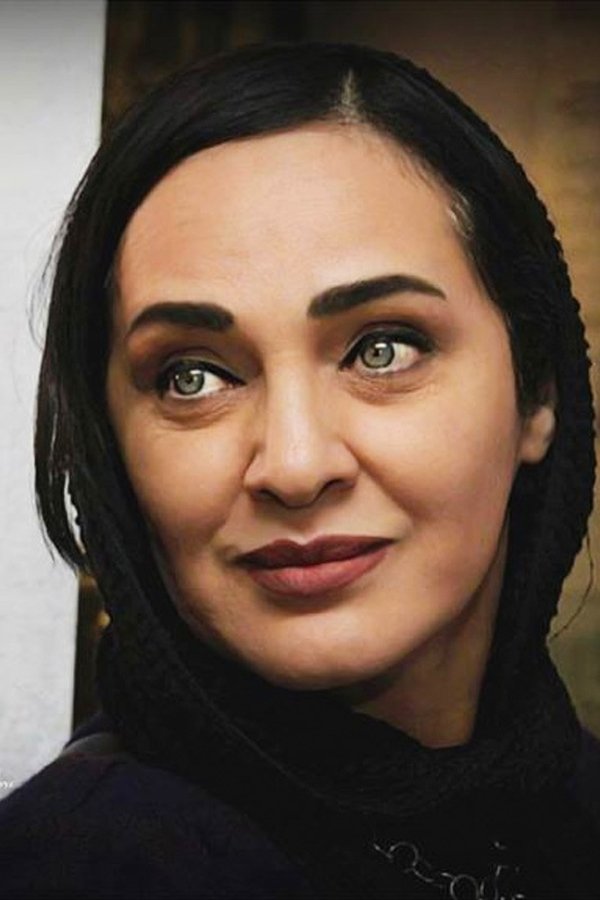
Roya Nownahali
Mrs. Mohammadi
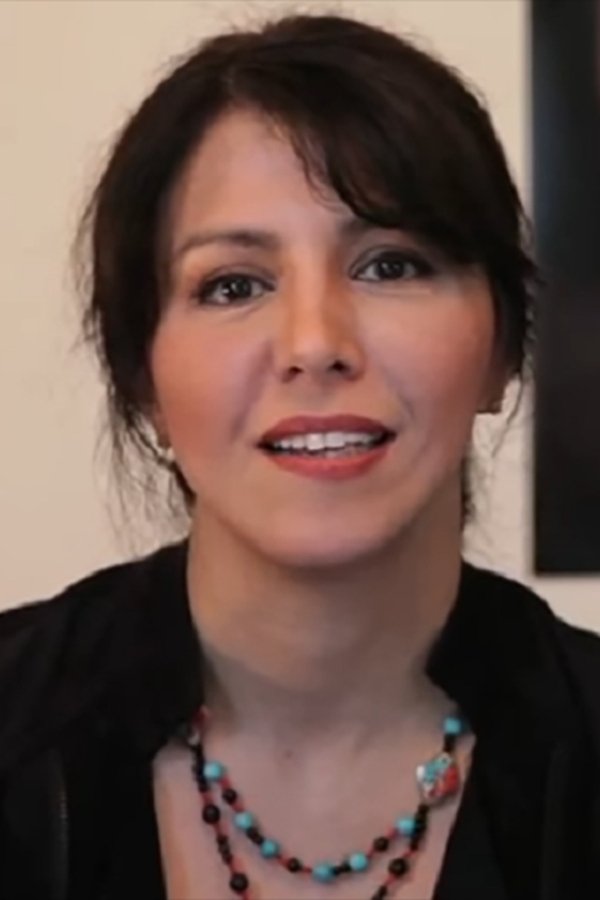
Shabnam Toloui
Secretary
Hossein Kasbian
Jale's father

Mohsen Ghazi Moradi
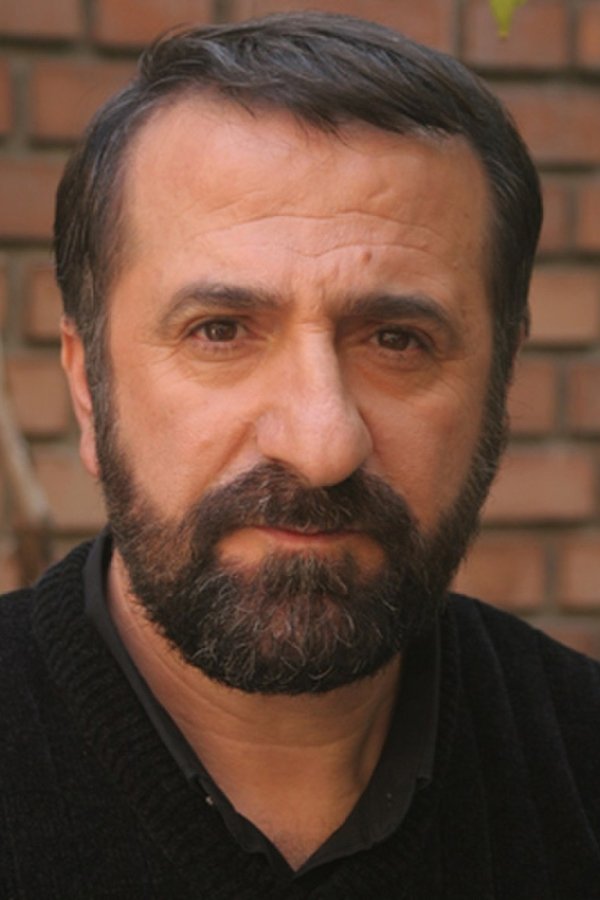
Mehran Rajabi
Emily Henry’s adaptation reaches romance movie standards, but not romance reader standards.
The tale of two friends spans three films and gives wonderful representation for young girls everywhere.
When diverse representation is featured on-screen, it oftentimes comes with strings attached that undermine the message they were trying to send. This can be attributed to the fact that behind-the-screen, the industry primarily does not reflect the breadth of diverse difference that is present in daily life. That’s why when something as powerful and authentic as Minari comes along, it is both incredibly wonderful and needs a large audience to witness it.
This year, in light of the pandemic and the inability to gather with our loved ones, a few of our staff members reviewed their favorite holiday films with the hope of recreating some of the sentimentality that reminds us of home.