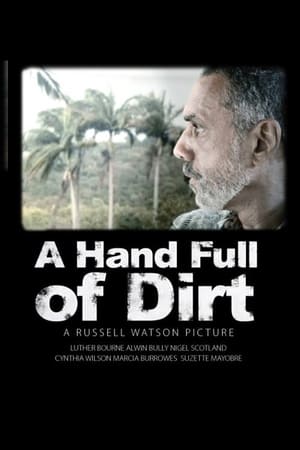
A Hand Full of Dirt
Three generations. One plantation. The men of the Redman family - father, grandfather and son - will try desperately to break with the past to pursue their dreams on their own terms.

- / 5
PopScore
Representation
Pictures and Videos

Movie Information
Three generations. One plantation. The men of the Redman family - father, grandfather and son - will try desperately to break with the past to pursue their dreams on their own terms.
Rating:
Genre:Drama
Written By:Russell Watson
In Theaters:
Box Office:
Runtime:90 minutes
Studio:


Articles You May Like
The Drama: A Marriage of Discomfort and Empathy
This is not a film, it’s a drop tower. A drop tower that you don’t get off of for the vast majority of its 106-minute runtime.
What Netflix's “Shadow and Bone” Gets Right and Wrong with the Books’ Diversity
Netflix’s Shadow and Bone has a complicated relationship with race. It has a diverse cast, but not without its problems. Based on Leigh Bardugo’s two book series, the show features characters from the Shadow and Bone trilogy, which is very straight and white, and the Six of Crows duology, which is much more diverse. When bringing together a cast and writing about these characters, the team behind the show expanded upon some of the representation missing from the first trilogy, then seemed to take away representation from the duology. Shadow and Bone seems to play a bit of a push and pull game when it comes to portraying diversity onscreen.
Honey Girls Jam Their Hearts Out
A trio of girls form a band and enter a singing competition together after learning they work best as a team.
'The Half of it' Handles its Presented Social Issues Thoughtfully
The social issues The Half of it takes on are handled well, between the antagonization brought on to Ellie for her race and the conflict that arises from her being gay. Both aspects of her character are built up over the course of the film and don’t seem abrupt or rushed. The film shows racism towards Ellie and her and father in varying levels, from having her schoolmates specifically address her as "Chinese girl” to the fore mentioned way her Dad is treated due to language barriers. The same can be said about Ellie being a lesbian. While she never truly “comes out” in the narrative, that does not undermine her journey of self-discovery from being meaningful. These ideas aren’t thrust upon the viewer in a preachy manor, the scenarios that occur feel believable given the rural setting. The film presents watchers with problems whom those like Ellie may face, and leaves us to sit with them and reflect.
Outer Banks Ignores Its Racial Context
Outer Banks (2020-) knows its audience: young adults in a country that can’t stop romanticizing good ole’ treasure hunts. Add a little of Riverdale’s (2017-) sex appeal, and no one can look away. Forty years after The Goonies (1985) America’s consciousness hasn’t strayed from the same tropes: treasure hunts, a vulnerable white male lead, and the whitewashing of a racially segregated setting.