




Short Film: 'The Other Side' Examines Poverty in Mumbai—“People like you don’t belong here”
In this short film, writer/director Nikita Hattangady focuses on Jai, a starving artist rooted in the latter category. Though unhoused, he works hard.
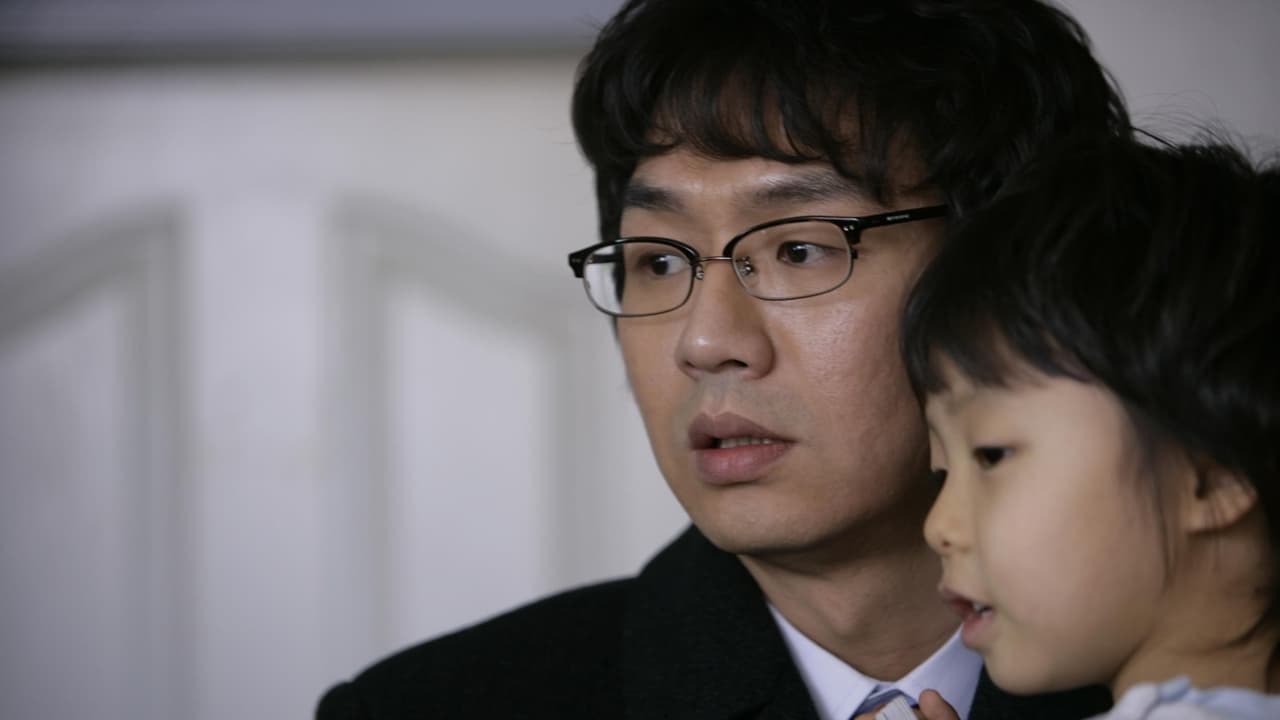
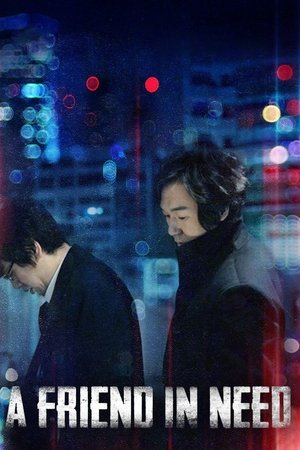


In bleak Yeouido, crowded by the political world, press and stock companies, section chief Hwang Woo-Jin works in a stock trading firm. He is a hard-working salaryman, but is the first to be laid off. With an outstanding private loan to pay for, hospital bills for his father and consistent conflicts with his devoted wife, stress gradually suffocates Hwang Woo-Jin. Finally, a junior staff member and a boss, who he trusts, conspire to kick him out. After finding about their scheme, Hwang Woo-Jin becomes desperate. In front of him, his friend Jung-Hoon, who does do anything for justice, appears. Under the influence of alcohol, Woo-Jin tells Jung-Hoon that he wants to kill them. The next day the junior staff member is found dead.
In this short film, writer/director Nikita Hattangady focuses on Jai, a starving artist rooted in the latter category. Though unhoused, he works hard.
One of the reasons I love watching movies is that, much like books, they serve as windows into other times and different places. Productions from around the world offer valuable insights into the history and culture of their respective countries. And just like literature, cinema can help us understand the present by showing us the past.
Alongside A Drowning Man, I Signed The Petition, 3 Logical Exits, and A World Not Ours, A Man Returned continues to paint a realistic portrait of the Refugee Crisis that eschews the Western gaze and stereotype. These are real portraits painted by a director with lived experience, cultural connection and an amazing eye for visuals.
'Don't Breathe 2' is a sequel that forgoes almost everything that made its predecessor good, and asks audiences to root for a rapist on top of that.
The second episode of the highly anticipated Afrofuturism series delivers with a high-speed race teaching us to go far beyond just accepting ourselves.
White audiences saw Peola’s mixed-race passing as a Black woman’s struggle to be white. Black audiences saw it as the rebellion of a Black woman trying to gain privileges only given to white people.