





The Lovebirds: It Doesn't Soar, But It Glides
'The Lovebirds' is one of those movies that has a very direct appeal when it comes to its comedy. There isn’t a singular style, so much as tidbits of various ones here and there.
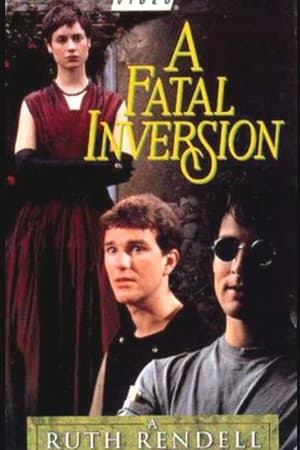


Adaptation of the Barbara Vine (aka Ruth Rendell) novel. After Adam inherits a country house from his great uncle, he and his friend Rufus decide to spend the summer there instead of abroad. An odd assortment of 'house guests' turns up through different means and it's an uneasy mix at best. A decade afterwards, the bodies of a young woman and an infant are discovered in the woods behind the house. As the police investigate, they naturally look to Adam as former owner of the house, and what happened all those years before starts to catch up with him.
'The Lovebirds' is one of those movies that has a very direct appeal when it comes to its comedy. There isn’t a singular style, so much as tidbits of various ones here and there.
Treated like a granter of wishes for those earning out of retelling the same tragedy, Marilyn looks like she's caged in different stages of trauma for us to stare at, instead of someone we’ve finally allowed to rest in peace.
Ditch the lube and get to the point in the raw, honest, cheeky dramedy written and directed by Mark Schwab.
Renee Zellweger shines in this Judy Garland biopic, which highlights the pain and loneliness that so many famous women endure.
"Warrior" is a Bruce Lee written and inspired story that follows a diverse cast of Chinese American characters and does a terrific job of setting the story in 1878 San Francisco - all without pulling their punches with the systemic racism, discrimination, and struggle for power that old and young immigrants that crossed the country at that time had to go through.
The social issues The Half of it takes on are handled well, between the antagonization brought on to Ellie for her race and the conflict that arises from her being gay. Both aspects of her character are built up over the course of the film and don’t seem abrupt or rushed. The film shows racism towards Ellie and her and father in varying levels, from having her schoolmates specifically address her as "Chinese girl” to the fore mentioned way her Dad is treated due to language barriers. The same can be said about Ellie being a lesbian. While she never truly “comes out” in the narrative, that does not undermine her journey of self-discovery from being meaningful. These ideas aren’t thrust upon the viewer in a preachy manor, the scenarios that occur feel believable given the rural setting. The film presents watchers with problems whom those like Ellie may face, and leaves us to sit with them and reflect.