
Spider-Man: Into The Spider-Verse Tells Us to be Our Own Heroes.
Miles Morales learns to be his own hero as he takes on the well loved mantle of Spider-Man in a multiverse of Spider-People.
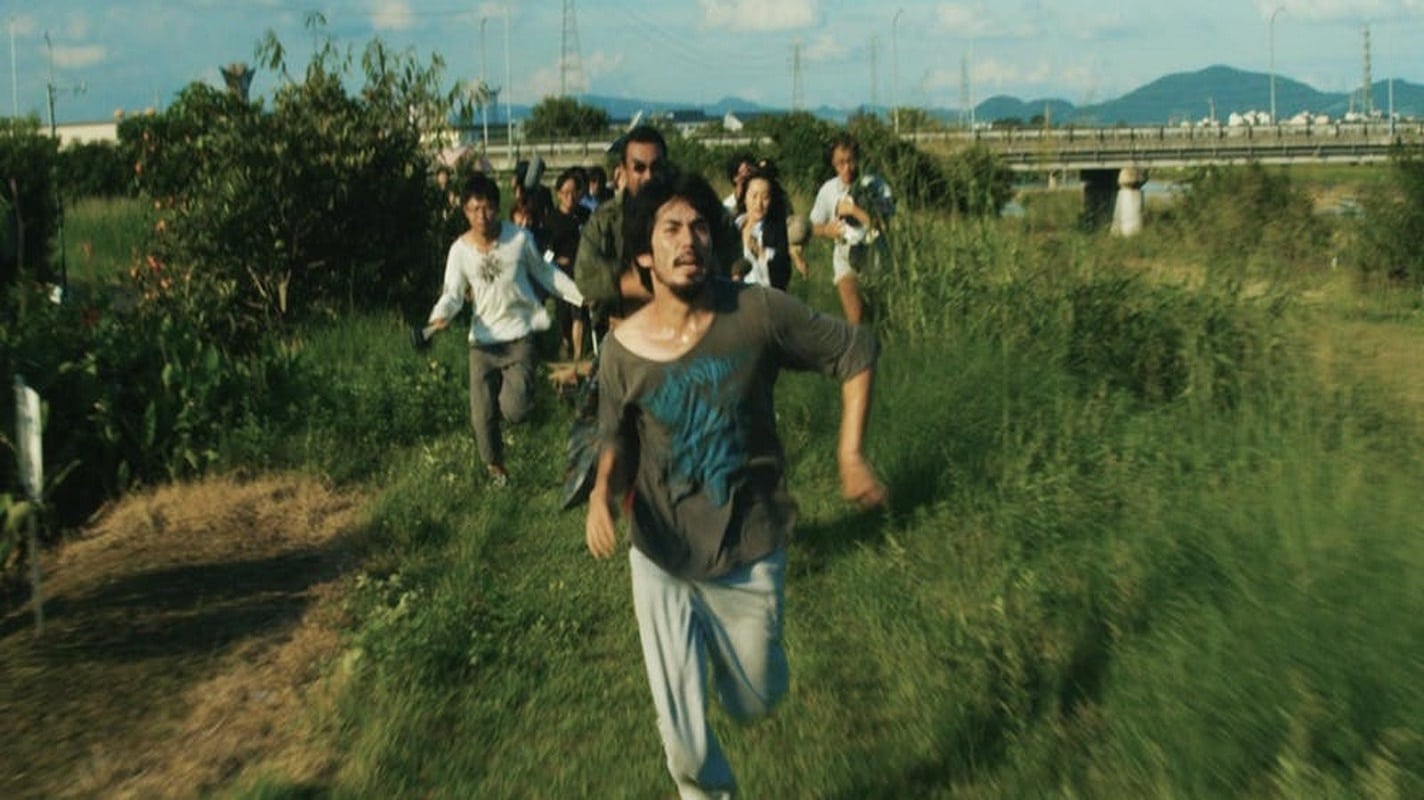
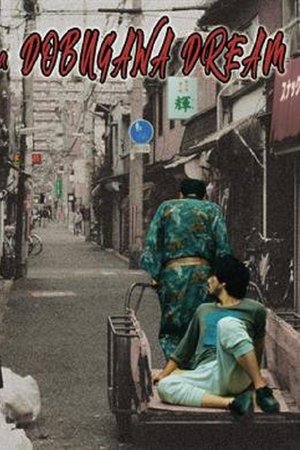


Since the suicide of his classmate a few years before, a young man named Tatsumi stays shut inside his parent’s house, refusing to leave his room and stuck in a limbo of confusion and grief. One day, something breaks inside him and he starts to run. He runs non-stop, as if something has awoken inside of him. His then finds himself wandering around the streets, searching for where to go. While searching, he comes across a strange funeral service, full of vagrants and drunkards. There he meets a vagrant named Tsuchiro and the two form a close bond.
Miles Morales learns to be his own hero as he takes on the well loved mantle of Spider-Man in a multiverse of Spider-People.
Omaha reminds us of what it can feel like to look at old family photographs. You sit with the bittersweetness, allowing it to wash over you; not drowning in it, but certainly affected by it.
In a film where a Black couple is framed to be the lead characters, they still managed to get shuffled off to the sidelines. The enthusiastic cast delivers well on goofy bits- but can only go so far before they begin to fall flat.
Wild Child tells the story of a wealthy, spoiled teenage girl named Poppy Moore who lives in Malibu, California, who attends a boarding school in England. This film shows us how Poppy is first labeled as a fish out of water compared to her boarding school classmates, as she is a wild child, but eventually earns her roommates' friendships and respect.
An aspect of She-Ra that I find refreshing is even though a large portion of the cast is on the LGBTQ+ Spectrum, being gay is never mentioned. While this might initially sound like a negative thing, in the show’s land of Etheria being on the gay spectrum is shown to be so common and normalized that straight isn’t the default. As much as there is to appreciate about narratives revolving around the obstacles that may come from being non-heteronormative, it’s nice to get immersed in a world where no one bats an eye at all to any sort of differing identity.
"Driveways" is a nuanced portrait of an Asian American family, touching on themes of loss, growth, and belonging.