'Fargo' (2014): Does the True Story Genre Need to be True?
Although Fargo is not actually based on a true story, I do believe it is worth the watch. It has drama, suspense, and a mysterious figure to keep you engaged.




The revealing story of the 16th US President's tumultuous final months in office. In a nation divided by war and the strong winds of change, Lincoln pursues a course of action designed to end the war, unite the country and abolish slavery. With the moral courage and fierce determination to succeed, his choices during this critical moment will change the fate of generations to come.
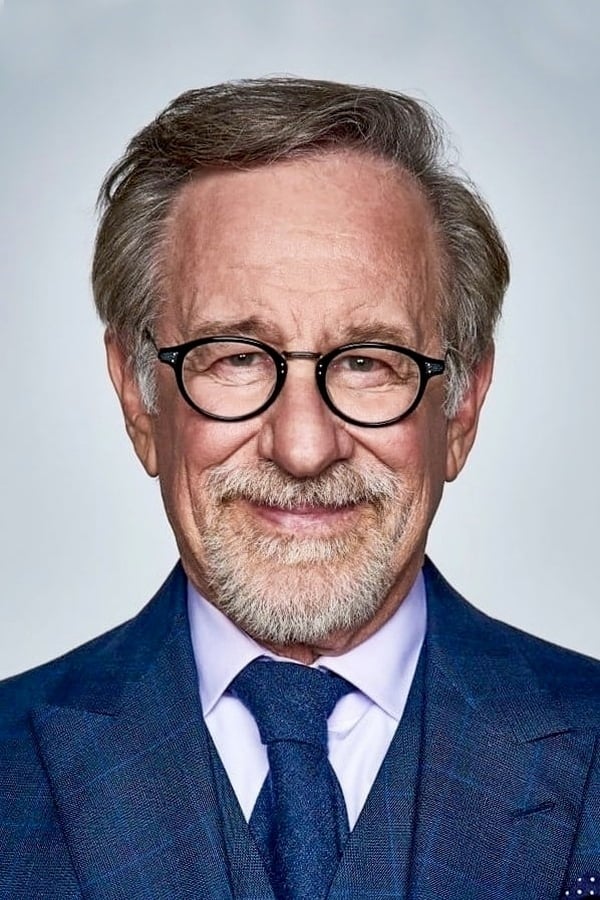
Steven Spielberg
Director


Daniel Day-Lewis
Abraham Lincoln

Sally Field
Mary Todd Lincoln

David Strathairn
William Seward

Joseph Gordon-Levitt
Robert Lincoln

James Spader
W.N. Bilbo
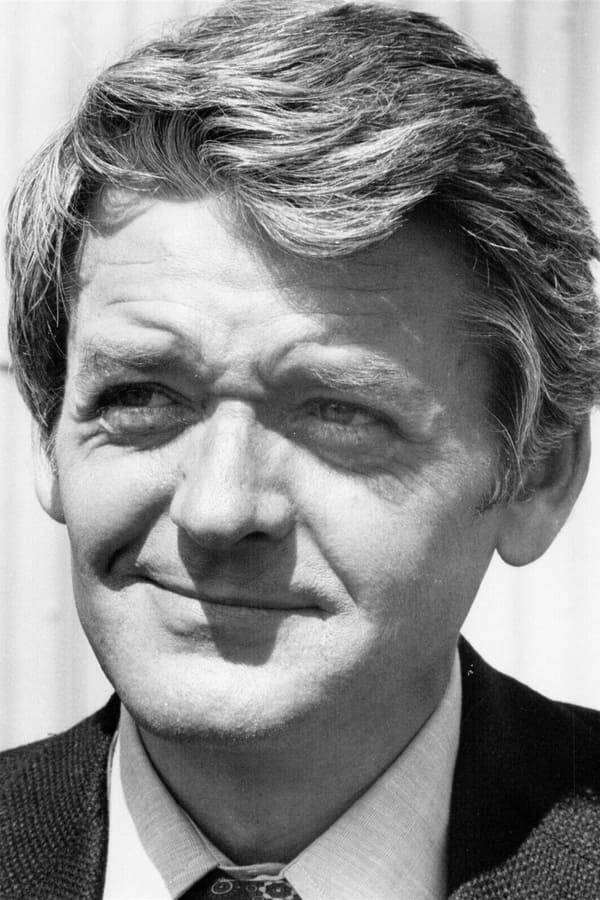
Hal Holbrook
Preston Blair
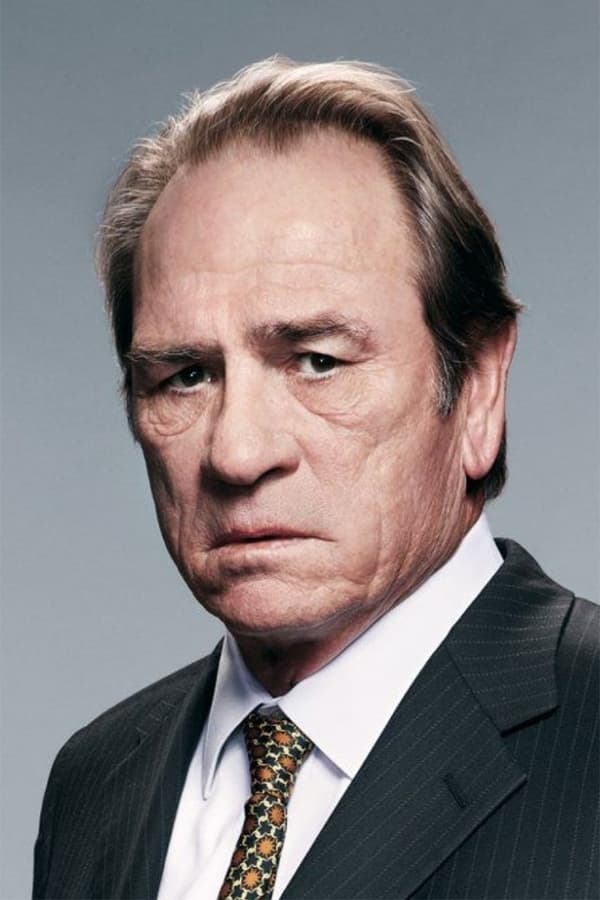
Tommy Lee Jones
Thaddeus Stevens

John Hawkes
Robert Latham
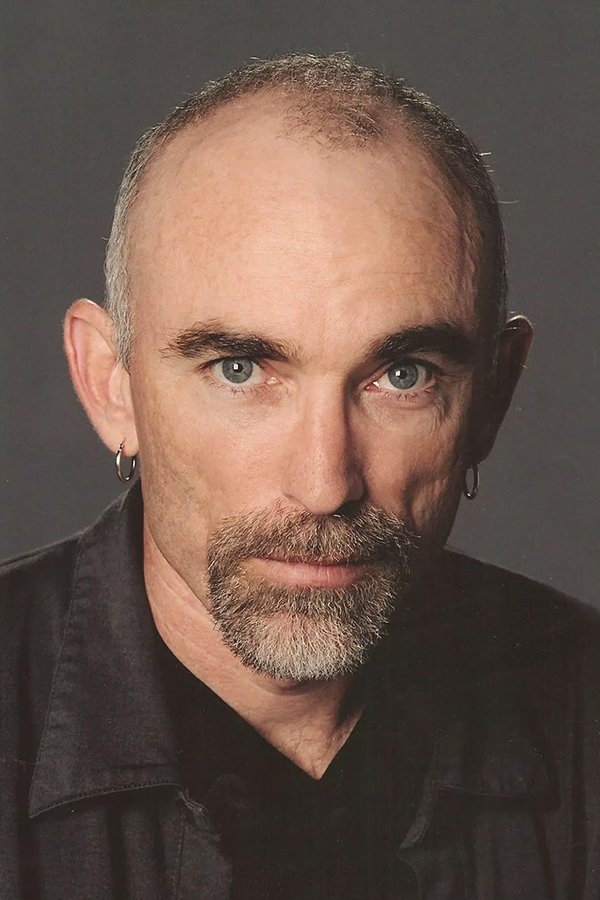
Jackie Earle Haley
Alexander Stephens

Bruce McGill
Edwin Stanton

Tim Blake Nelson
Richard Schell
Although Fargo is not actually based on a true story, I do believe it is worth the watch. It has drama, suspense, and a mysterious figure to keep you engaged.
It took writers D.B Weiss and David Benioff two years to give us a promising final season. Two. Years. It was just going to be six episodes, which was short considering that all the other seasons — except season 7 — were 10 episodes. 10. 6 wasn’t enough, and even HBO wanted to give the writers more episodes. More seasons, even. However, the writers wanted to get out of the show as quickly as possible to work on other projects. This abruptness is clearly shown in this season.
In the film adaptation, director Jon M. Chu turns each musical number into a massive show stopper, with grand set pieces and a wealth of diverse dancers. Yet, in this attempt to show reverence for the people of the Washington Heights barrio, Chu, or maybe more specifically those in charge of casting, left out a crucial part of the community, Afro-Latinos.
The Weight is highly recommended, will transport you back to its Great Depression-era setting and will have you rooting for the protagonist harder than most films this year
I think that the happiness and survival of "Wynonna Earp"’s LGBTQ+ characters is incredibly refreshing in contrast to the prevalence of queer suffering and death in other television.
Despite being an over-talked-about piece of media, 'Euphoria' has some interesting articles about it with personal angles that oppose the average tendency to be generic.