Disney's 'Descendants' Brings Diversity in the Present
The legacy of this movie starts off the film series with a bang of magic, plot twists, and battles.
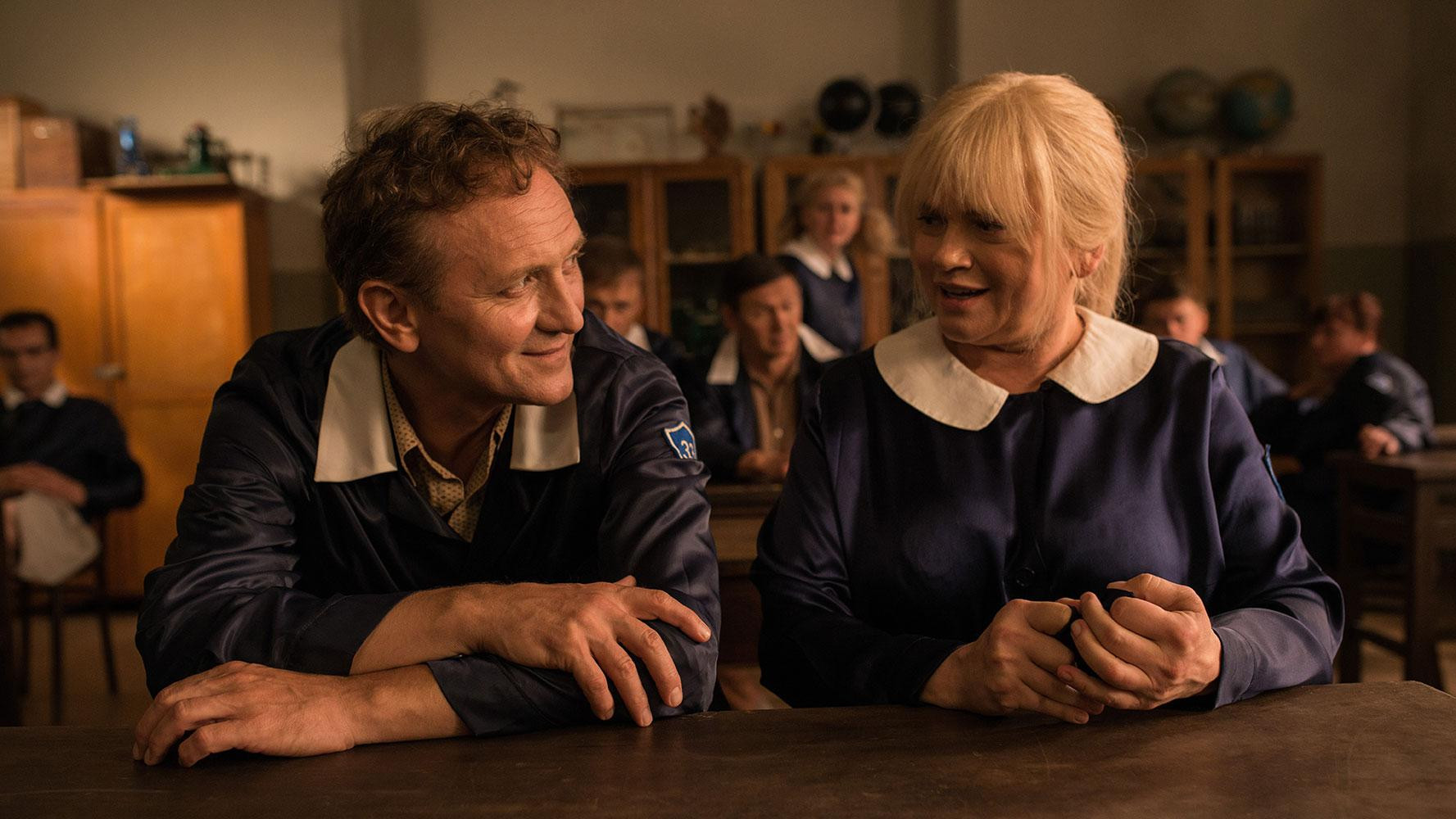



Fear, anger, sadness, joy, disgust, envy, shame. Adaś Miauczyński goes back to his childhood days when, like most of us, he used to find it problematic to name the emotions that accompanied him. To improve the quality of his adult life, he decides to return to that time – which proves not so carefree after all – to learn how to experience the seven basic emotions. This extremely unpredictable journey into the past features an abundance of hilarious, even comical, situations but is also filled with lots of touching moments and food for thought.

Marek Koterski
Director


Michał Koterski
Adaś Miauczyński

Marcin Dorociński
Aldek Sałacki

Katarzyna Figura
Gosia
Małgorzata Bogdańska
Zosia Muszyńska

Gabriela Muskała
Weronika Porankowska

Maria Ciunelis
Teresa Prawicz

Andrzej Mastalerz
Bolechowski

Tomasz Karolak
Jurek

Andrzej Chyra
Ryszek Gott

Robert Więckiewicz
Miki

Cezary Pazura
The legacy of this movie starts off the film series with a bang of magic, plot twists, and battles.
Fiction doesn't have to be the model for how our real-life pandemic plays out. Here's how we can avoid the dangers shown in "Contagion."
Korean pop culture has mastered emotions as both a scientific field and an artistic revolution. Think of how K-Pop and K-Dramas have taken over the world. How? Simply put — they are addictive. How are they addictive?
Who knew a drunken game of truth or dare could launch one of the most chaotic rom-coms of the year? The Threesome takes Connor’s fantasy night with Olivia (Zoey Deutch, in peak queen-of-indie form) and Jenny (Ruby Cruz) and flips it into a deliciously messy nightmare when both women end up pregnant. What follows isn’t cheap comedy—it’s a whip-smart, heartfelt exploration of love, consequence, and the beautiful disasters we call adulthood.
But what many do not know is that in 2019, a Wonder Woman film was released that had all of the positive qualities of WW84, and remedied many of the negative ones. Wonder Woman: Bloodlines, a direct-to-video animated movie in the DC Animated Movie Universe, perfectly balances the campiness and seriousness of the character.
Meander, released in 2021, is a French gory horror film featuring a woman trapped in small spaces as she fights for her life, paralleling real pandemic life.