
Incluvie – Better diversity in movies.
Identity in film with Incluvie stamps, scores, reviews.

Incluvie – Better diversity in movies.
Explore identity in film with Incluvie stamps, scores, reviews, and insights.

trailer banner
575 Castro St. poster

575 Castro St. (2009)

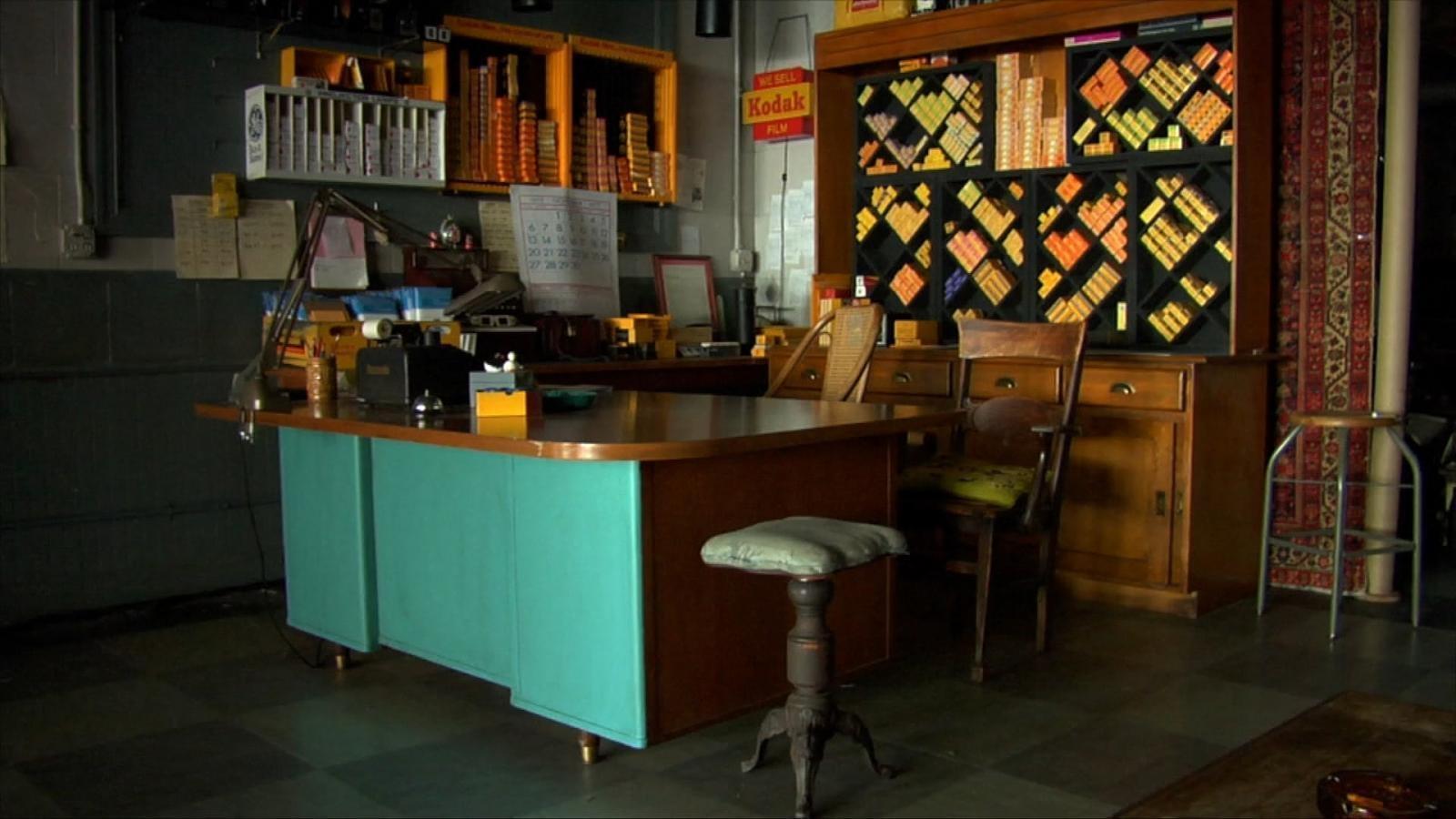
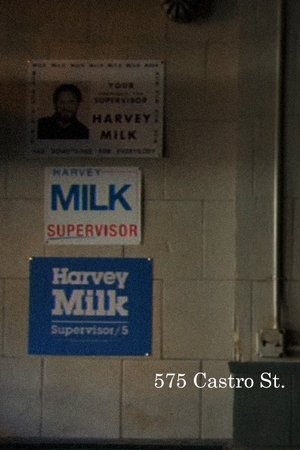
The film focuses on the light and shadow playing on the walls of the Castro Camera Store, a location in Gus Van Sant’s Milk. The soundtrack features Harvey Milk himself, shortly after his election to the San Francisco Board of Supervisors in 1977.
- / 5
PopScore
Representation

Pictures and Videos


Incluvie Gala

Movie Information


The film focuses on the light and shadow playing on the walls of the Castro Camera Store, a location in Gus Van Sant’s Milk. The soundtrack features Harvey Milk himself, shortly after his election to the San Francisco Board of Supervisors in 1977.

Rating:
Genre:Documentary
Directed By:Jenni Olson
Written By:Jenni Olson
In Theaters:6/28/2009
Box Office:

Runtime:8 minutes
Studio:Film in Focus

Articles You May Like


Who Needs 'Independence Day' When You've Got 'Sorry to Bother You'?

Sorry to Bother You ultimately speaks to the unfair advantages that the country’s power structures award to those with the resources to control others, as Lift’s easy access to the media allows his opinion to be the only one that matters in the eyes of the unsuspecting and easily impressed public. Moreover, it reveals the extent to which the American Dream has any true validity. It postulates how the promise of success and fulfillment as promoted by the American Dream more often than not leads to the undoing of the individual. Interestingly, in its revealing of the American Dream as merely a facade, Sorry to Bother You wisely questions whether or not anything can really be done to undo a system that has been accepted and in action for centuries.

Matt Geiger

The Rise of a Kindhearted Comedy Hero: The Anti-Toxic Masculinity Message of Brendan Fraser Films

Throughout Brendan Fraser’s career, he has played a plethora of unique, layered characters who explore the importance of not being afraid to display your emotions, something that is often seen to not be a masculine trait. This idea of regulating emotion and what traits men are able to possess creates a toxic atmosphere for men who are often told they should not cry or represent their emotions in any physical way. These characters represent that men can be joyful, emotionally conscious, and sensitive, while also representing their masculine identity instead of painting those qualities as fighting against their masculinity.

Amanda Mazzillo