42:6 - Ben Gurion
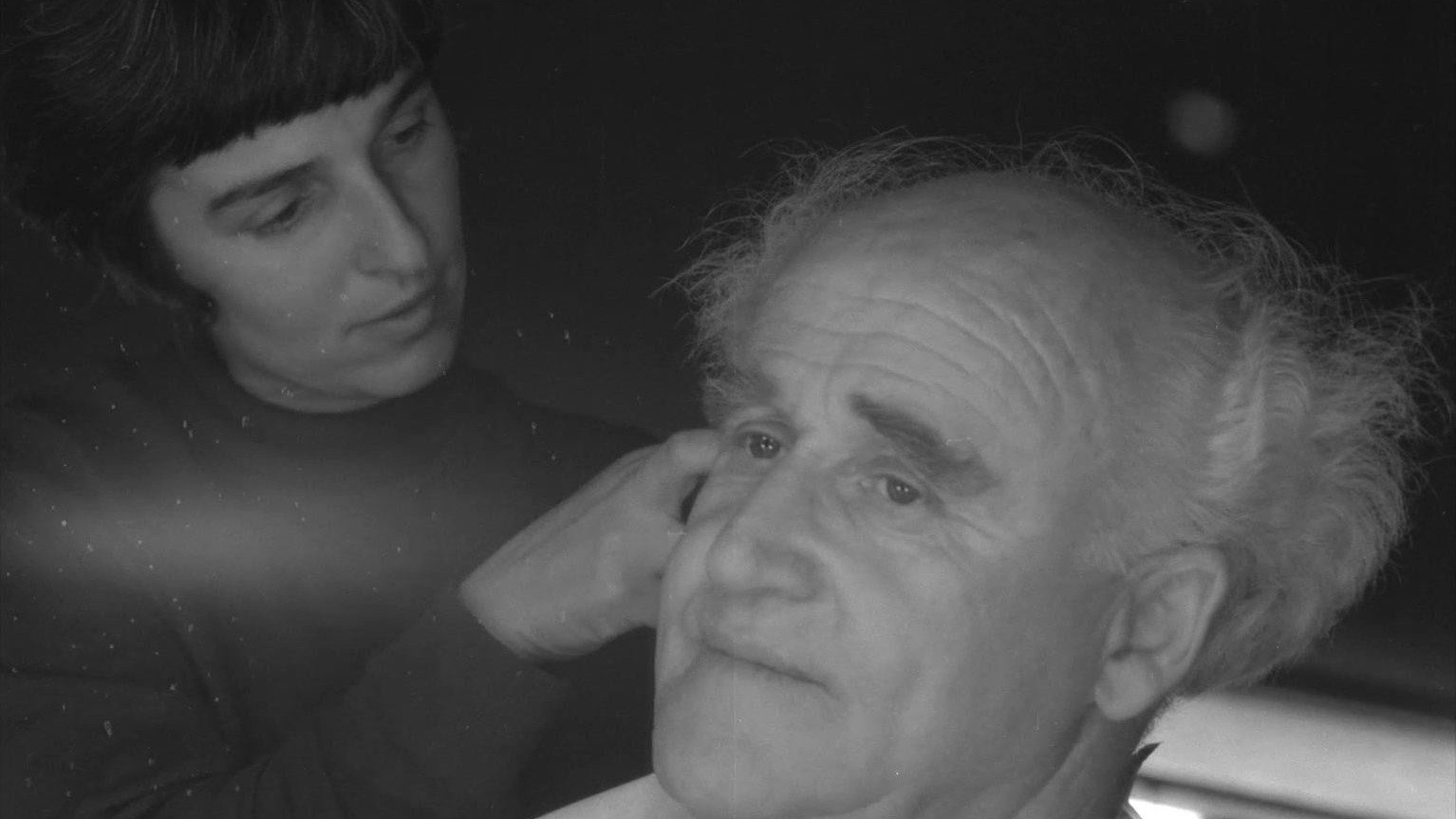
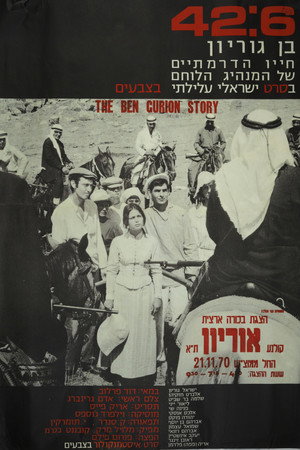
The title is a reference to the Book of Isaiah 42:6, “I, the LORD, have called thee in righteousness, and will hold thine hand, and will keep thee free, and give thee for a covenant of the people, for a light of the Gentiles.” The film is an episodic, cinematic biography of David Ben-Gurion, from his days as a youth in Poland when he met Herzl in the town of Plonsk, through his move to Palestine/Israel, becoming leader, the days of the Independence War and the establishing of the State of Israel, signing the reparations agreement with Germany, and all the way to the making of this film – in the aftermath of the Six-Day War. Perlov’s film highlights all the key milestones in the leader’s life which it goes about doing in the tradition of the reflexive documentary, through the creator’s subjective and artistic pov. The film goes back and forth between documentary and scripted scenes, black and white and technicolour, and even archival footage colourised in bold, artificial colours.

- / 5
PopScore
Representation
Pictures and Videos

Movie Information
The title is a reference to the Book of Isaiah 42:6, “I, the LORD, have called thee in righteousness, and will hold thine hand, and will keep thee free, and give thee for a covenant of the people, for a light of the Gentiles.” The film is an episodic, cinematic biography of David Ben-Gurion, from his days as a youth in Poland when he met Herzl in the town of Plonsk, through his move to Palestine/Israel, becoming leader, the days of the Independence War and the establishing of the State of Israel, signing the reparations agreement with Germany, and all the way to the making of this film – in the aftermath of the Six-Day War. Perlov’s film highlights all the key milestones in the leader’s life which it goes about doing in the tradition of the reflexive documentary, through the creator’s subjective and artistic pov. The film goes back and forth between documentary and scripted scenes, black and white and technicolour, and even archival footage colourised in bold, artificial colours.
Rating:
Genre:Documentary, Drama, History
Written By:Eric Pace
In Theaters:
Box Office:
Runtime:103 minutes
Studio:Covenant Communications

Articles You May Like
'Hatching' - Social Media as the Modern Cardboard World
Hanna Bergholm's 'Hatching' shows us that the modern version of the cardboard world trope is social media.
Extreme Quarantine: “The Last Days” Shows Us How Much Worse It Could Be
Rather than focusing on the bleak, cynical aspects of life post-pandemic, the focus is optimistic and hopeful.
The Problem with Netflix's 'Red Notice'
Welcome to Ryan Reynold's world. Dwyane Johnson, Gal Gadot and us are just living in it. Is he acting? I think he is, it's just the question of it's believable anymore.
‘The Devil All The Time’ is Gritty and Bleak
Gritty and bleak are the best words to describe this film. There’s nothing happy about it.
Short Film Review “With Arms Raised” A car ride, conversation, what we’ve experienced, personal judgements, and what we resort to is explored with both enigmatic then striking impact
“And I think to myself….what a wonderful world”. Louis Armstrong sang about this notion via his classic 1967 song, an ode to witnessing elements of our life that should be but some reminders of exactly what that concluding line of each verse indicates. Now we see our contemporary realities and, just being honest, it makes a sentiment like this seem SO overtly far away….perhaps even impossible….to accept or believe could be. It sounds harsh, but again, so much of what is occurring speaks not to beauty, but bedlam.