




The Vampire Boy in Liar, Liar, Vampire
Liar, Liar, Vampire takes a bite out of clichés in romances between vampires and teenagers. Anything but boring and dripping with fun, it's a Halloween story with a twist.
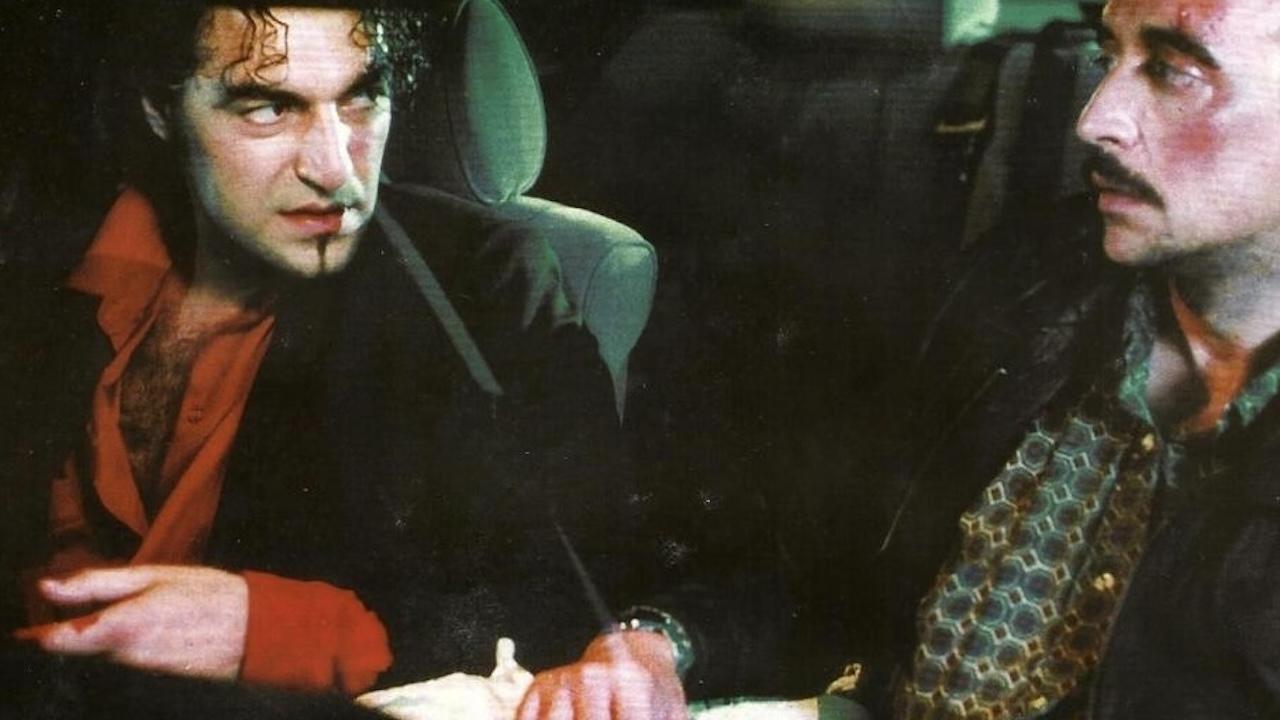



When the corpse of mobster Miguel "el chino" Sanabria surfaces, everyone thinks his death is the result of an argument during the heat of the moment. That is, everyone except Officer Ferran (Victor Mayo), who believes something more menacing was at fault. Along with Picasso (Juanko Vellido), the last person to see Sanabria alive, Ferran sets out to find the truth behind the murder -- and learns something about his own destiny in the process.
Liar, Liar, Vampire takes a bite out of clichés in romances between vampires and teenagers. Anything but boring and dripping with fun, it's a Halloween story with a twist.
Like many things, like animals and people, they always evolve. When the first humans walked the Earth, they originated from Africa and were all black.
People are so much deeper and far more extraordinary than what gender they were assigned at birth.
Films about casinos have long been a favorite of Hollywood. This is unsurprising, as they're often tied to magnetic characters whose lives revolve around luxury, spectacle, and even danger.
The Christmas Horror section of films is growing, and today we present a bold selection of new and old Christmas horror films to celebrate this macabre union.
The enthralling prequel and 5th installment in 'The Hunger Games' film franchise.