The Last Twenty Minutes of 1999's Audition
Audition should be on everyone's list of Greatest Horror Film. So I urge you to give it a watch. Maybe watch the last twenty minutes with your hands in front of your eyes.
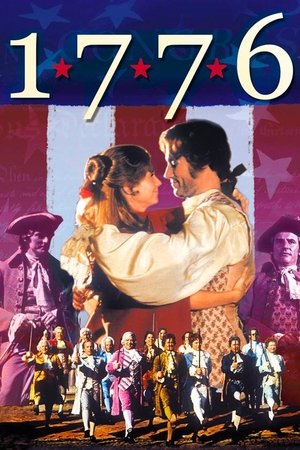


Colonial representatives gather in Philadelphia with the aim of establishing a set of governmental rules for the burgeoning United States. Benjamin Franklin and John Adams charge Thomas Jefferson with the task of writing a statement announcing the new country's emancipation from British rule.

Peter H. Hunt
Director
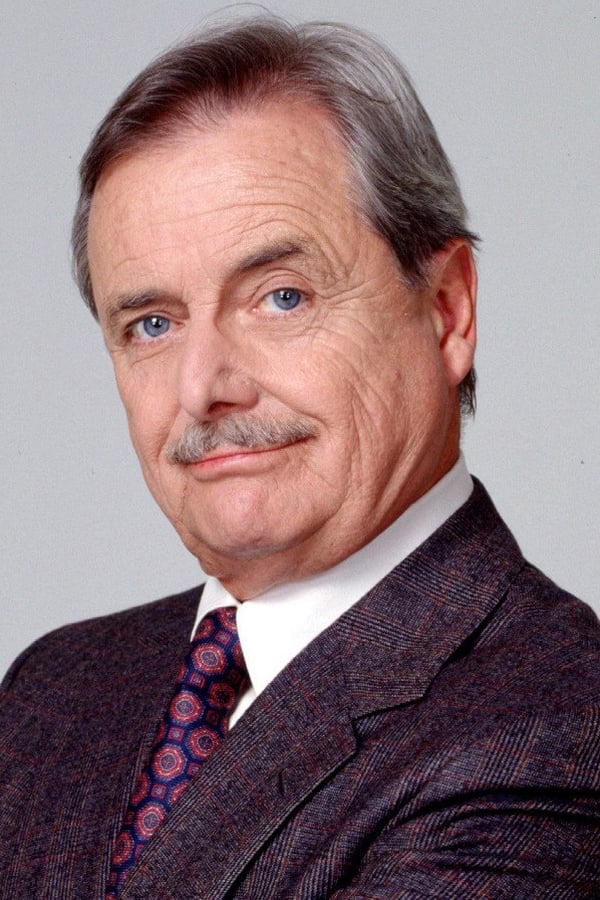
William Daniels
John Adams

Howard Da Silva
Dr. Benjamin Franklin
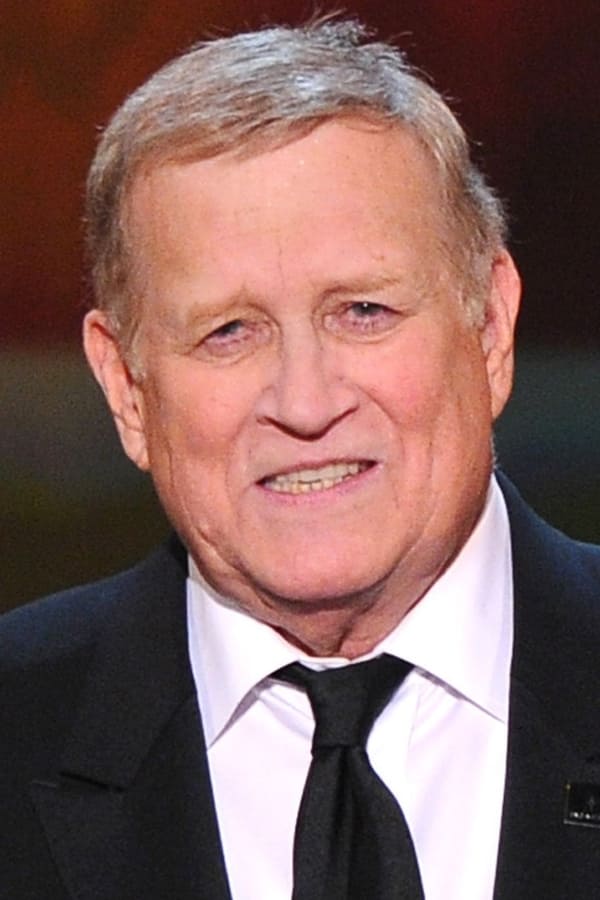
Ken Howard
Thomas Jefferson
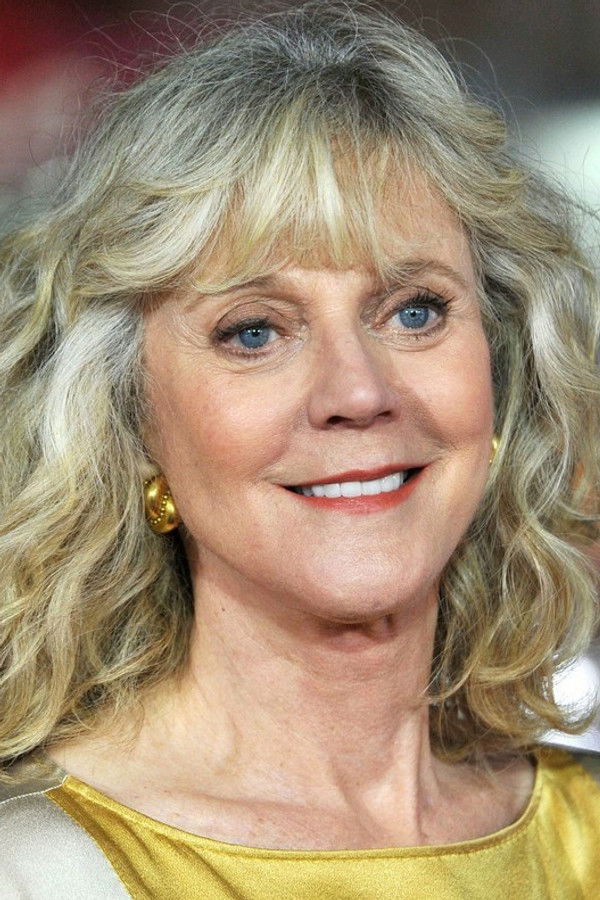
Blythe Danner
Martha Jefferson
Donald Madden
John Dickinson (PA)

John Cullum
Edward Rutledge (SC)
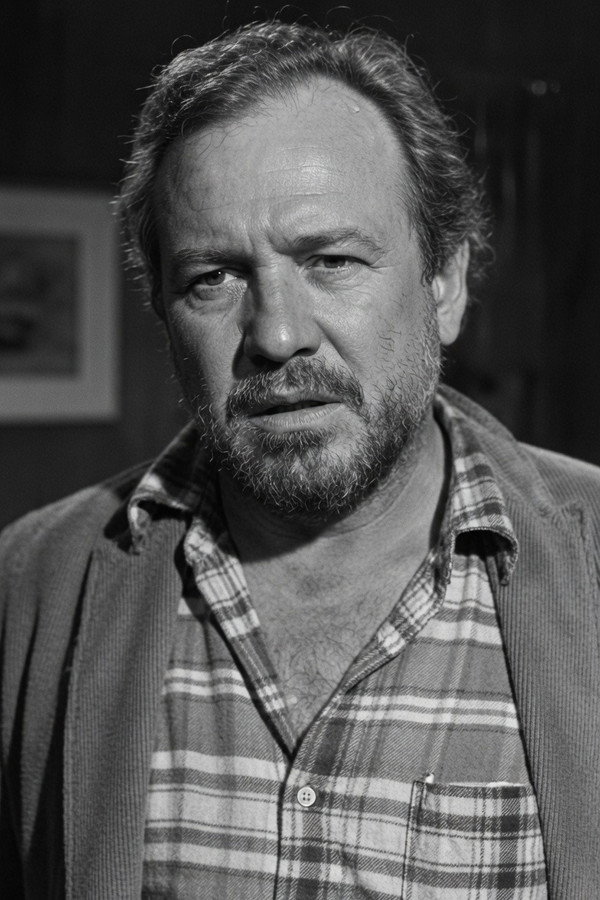
David Ford
Congressional President John Hancock (MA)
Ron Holgate
Richard Henry Lee (VA)
Emory Bass
James Wilson (PA)
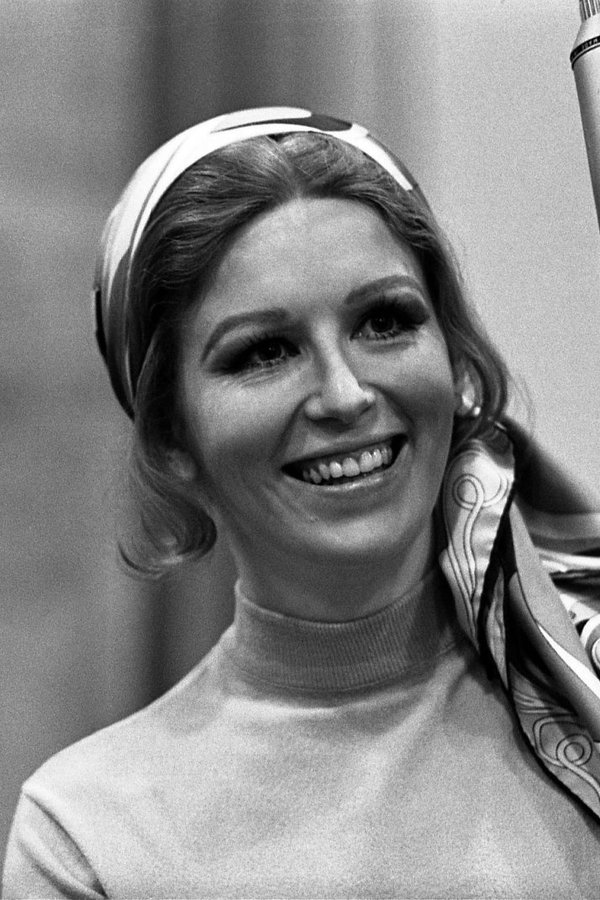
Virginia Vestoff
Abigail Adams

William Hansen
Caesar Rodney (DE)
Audition should be on everyone's list of Greatest Horror Film. So I urge you to give it a watch. Maybe watch the last twenty minutes with your hands in front of your eyes.
Great films not only give us great stories, but also great soundtracks. Here are some of our favorite picks for soundtracks songs.
Throughout Brendan Fraser’s career, he has played a plethora of unique, layered characters who explore the importance of not being afraid to display your emotions, something that is often seen to not be a masculine trait. This idea of regulating emotion and what traits men are able to possess creates a toxic atmosphere for men who are often told they should not cry or represent their emotions in any physical way. These characters represent that men can be joyful, emotionally conscious, and sensitive, while also representing their masculine identity instead of painting those qualities as fighting against their masculinity.
This article will cover why this film is categorized as a documentary and concert film.
With The Father, writer-director Florian Zeller- who wrote and developed the play upon which the film is based- pulls no punches as he confidently makes every effort to put the audience in the mind of someone whose grip on reality has all but vanished. It’s a dazzling testament to Zeller’s abilities as a director as he makes his first transition from stage to film appear as if he’s been working behind a camera his entire career. The dialogue he fashions with co-writer Christopher Hampton, along with the work of production designers Peter Francis and Cathy Featherstone, collectively makes the downward spiral of dementia startlingly tangible, doing so in a way that can be comprehended by everyone except the person it directly affects.
A K-9 police dog goes undercover to stop an illegal animal smuggling ring and learns a valuable lesson along the way.