
Incluvie – Better diversity in movies.
Identity in film with Incluvie stamps, scores, reviews.

Incluvie – Better diversity in movies.
Explore identity in film with Incluvie stamps, scores, reviews, and insights.

15/67: TV poster

15/67: TV 

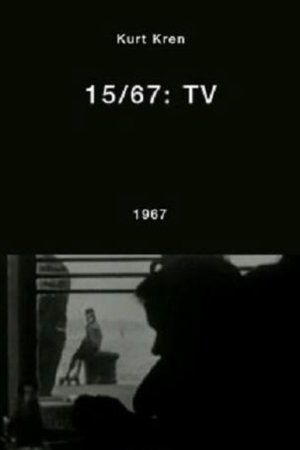
Kren frames the image to suggest a proscenium, with a view to the harbor that conveys a literal sense of “tele-vision”. The static framing of the image and the clearly stratified mise-en-scène can hardly provoke interpretation. The sight of the girls does so all the more. Kren, the gentle voyeur - who turns the viewer into a secret accomplice - observes three teenagers, and probably like them, awaits a rendezvous. (Thomas Trummer)
- / 5
PopScore
Representation

Pictures and Videos


Incluvie Gala

Movie Information


Kren frames the image to suggest a proscenium, with a view to the harbor that conveys a literal sense of “tele-vision”. The static framing of the image and the clearly stratified mise-en-scène can hardly provoke interpretation. The sight of the girls does so all the more. Kren, the gentle voyeur - who turns the viewer into a secret accomplice - observes three teenagers, and probably like them, awaits a rendezvous. (Thomas Trummer)

Rating:
Genre:Drama
Directed By:Kurt Kren
Written By:
In Theaters:
Box Office:

Runtime:4 minutes
Studio:

Articles You May Like


Enola Holmes 3 Screws Up Its Main Character and Blows the Worldbuilding

Netflix’s recent Millie Bobby Brown vehicle, Enola Holmes 3, is a disappointing and confusing entry in the stellar Enola Holmes franchise. Directed by Philip Barantini, the film stars Brown as Enola Holmes, estranged sister of Sherlock Holmes, Henry Cavill as Sherlock Holmes, and Louis Partridge as her love interest, Viscount Tewkesbury. While it deserves credit for its exciting action scenes and attempts to expand the diversity of its Dickensian setting, the most recent entry in the series completely scuttles Enola’s underdog status from the first films that made her so charming and gave a touch of realism to the story of a young, unmarried woman living in London while self-employed as a detective.

Jo Moses

"She’s Gotta Have It” was Ahead of the Curve in Portrayal of Female Sexuality

In Spike Lee’s She’s Gotta Have It (1986), we follow the love life of powerful female protagonist Nola Darling (Tracy Camilla Johns) and explore the relationship dynamics she has with her partners. She sees three men simultaneously: Greer Childs, (John Canada Terrell) Mars Blackmon (Spike Lee), and Jamie Overstreet (Tommy Redmond Hicks). Though an 80’s film, She’s Gotta Have It is surprisingly progressive with its themes of female sexuality, although at some points in the film it is handled clumsily. Overall Nola is an incredibly compelling character especially for modern women, as we as a society acknowledge female sensuality more and more without the negative stigma.

Andrea Amoroso