“Selena: The Series": A Disservice to Selena’s Legacy
'Selena: The Series' loses sight of the story's heart: Selena herself.
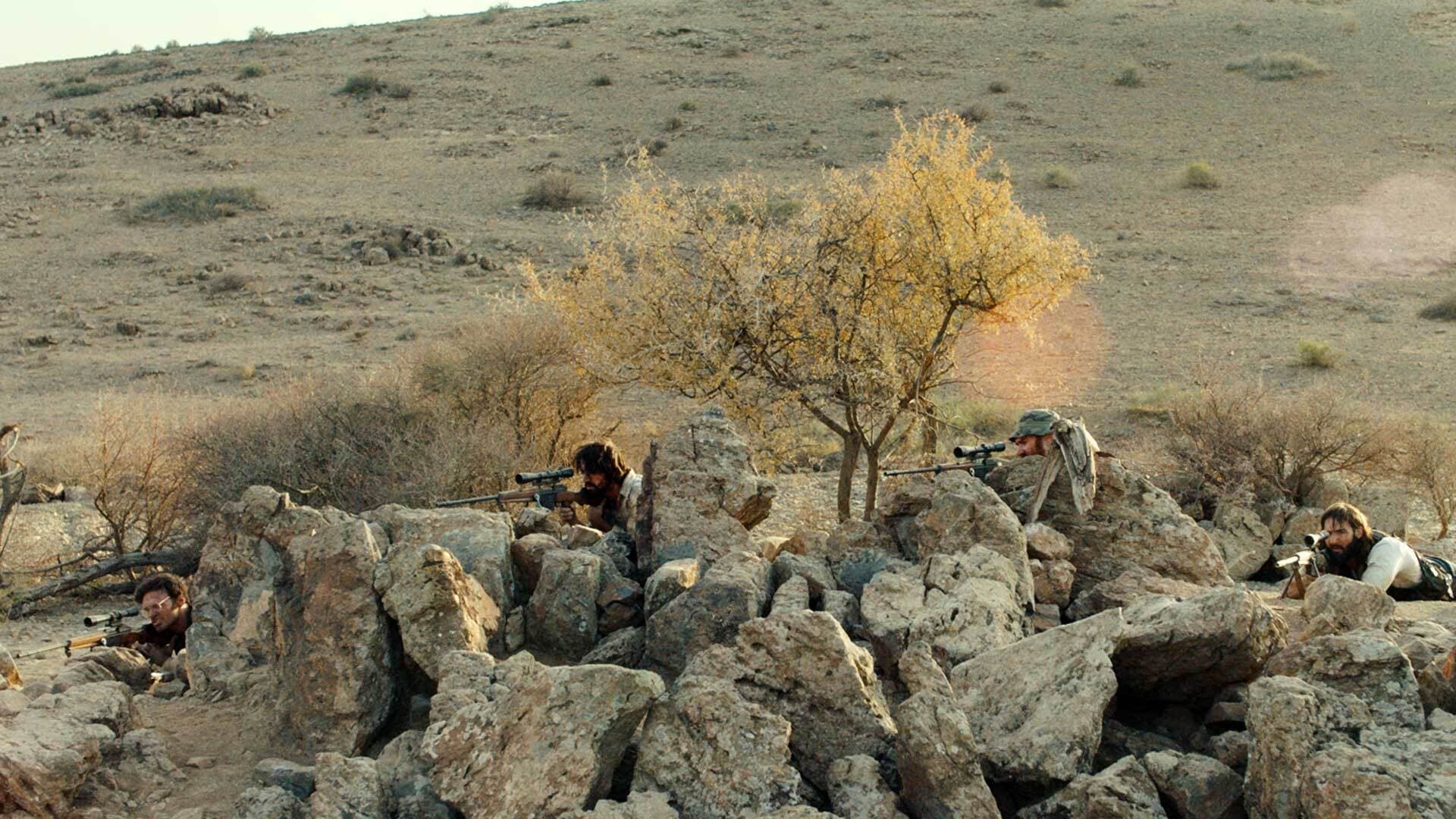
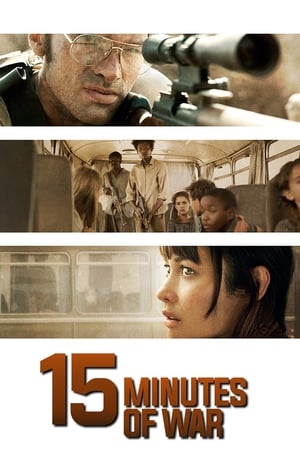


February 1976. Somalian rebels hijack a school bus carrying 21 French children and their teacher in Djibouti City. When the terrorists drive it to a no-man’s-land on the border between Somalia and French territory, the French Government sends out a newly formed elite squad to rescue the hostages. Within a few hours, the highly trained team arrives to the crisis area, where the Somalian National Army has taken position behind the barbed wire on the border. The French unit is left with very few options to rescue the hostages. As the volatile situation unravels, the French men quickly come up with a daring plan: carry out a simultaneous 5 men sniper attack to get the children and the teacher out safely. A true story.

Fred Grivois
Director

Olga Kurylenko
Jane Andersen
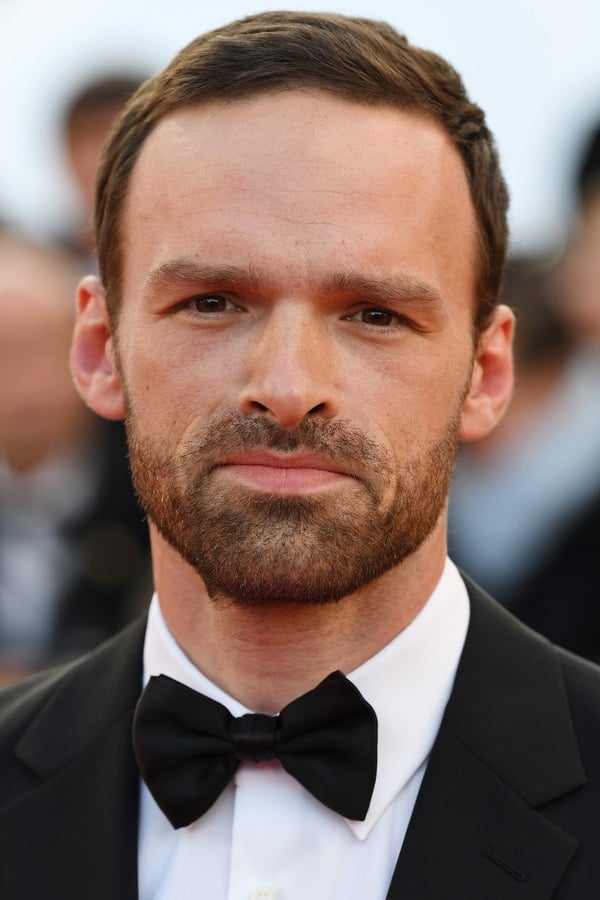
Alban Lenoir
André Gerval
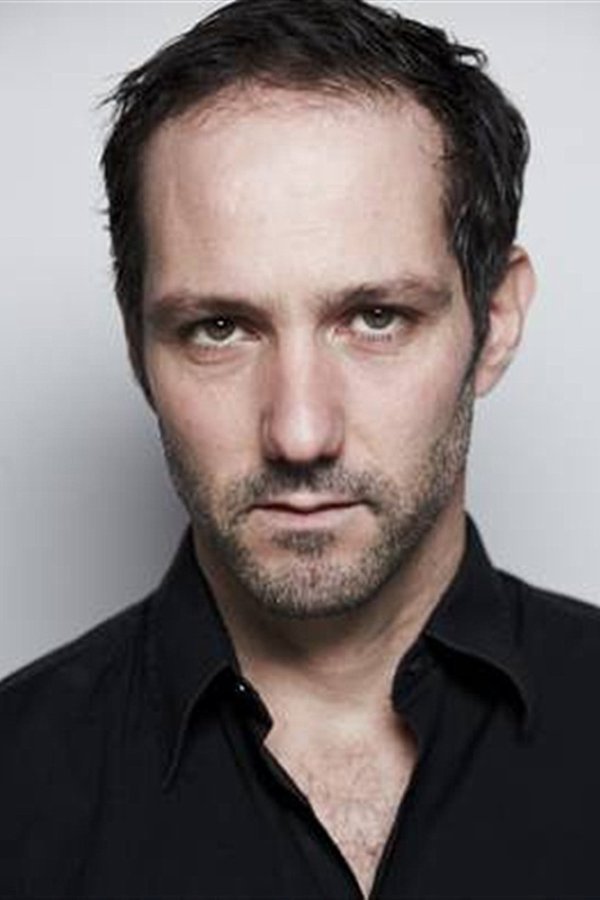
Sébastien Lalanne
Pierre Cazeneuve

Michaël Abiteboul
Georges Campère
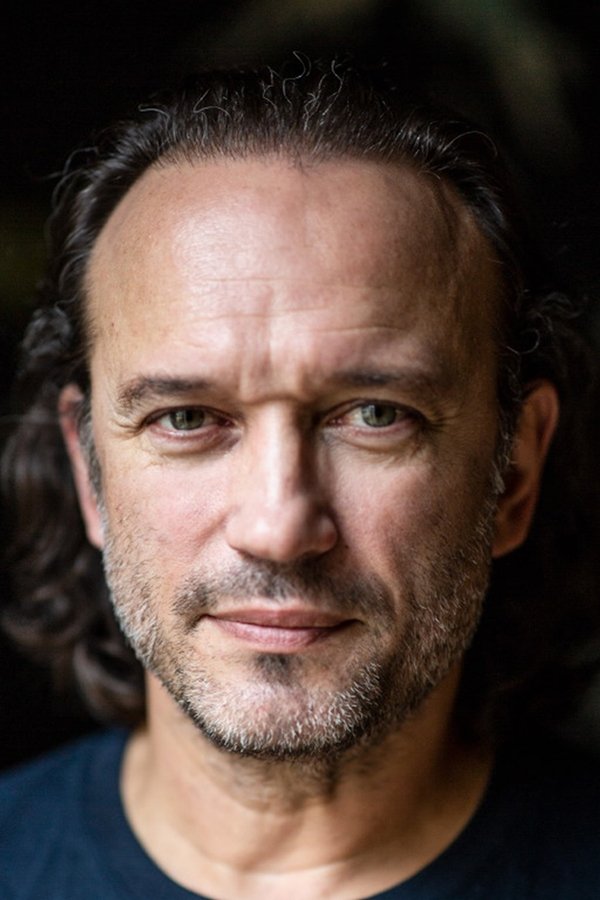
Vincent Perez
Général Favrart

Guillaume Labbé
Jean-Luc Larrain

David Murgia
Patrice Lorca

Ben Cura
Phillip Shafer

Josiane Balasko
Michèle Sampieri
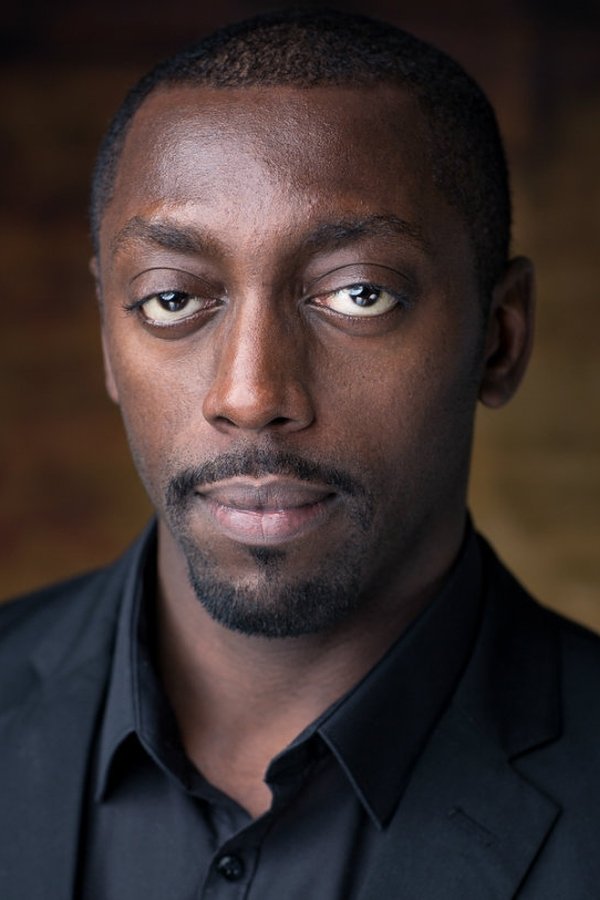
Kevin Layne
Barkhad
Andre Pierre
Morad
'Selena: The Series' loses sight of the story's heart: Selena herself.
Dracula evolved from a person to a monster and then from a monster to a person.
A refreshing twist is that all the kids’ powers are…kind of useless. There’s a kid who can only move in slow motion, a kid who has every power in the world but can only use them randomly, and our main character Missy who has no powers at all. The thesis of the film seems to be that it doesn’t matter what kind of powers you have, its the way you use them, which is good for the warm and fuzzies.
Dead Poets Society relies on patriarchal tropes such as overbearing fathers, contrived brotherhood, and faux-individuality in order to portray its straight white male characters as oppressed.
This animated movie is based on the migration of birds from the north to the south.
Films can alleviate alienation by presenting realities where the viewers feelings are shared by onscreen characters. The film 'Shrek' can be interpreted as a transgender story.