Hitchcock's Subtextual Coding in 'Rope'
Hitchcock is no stranger to innuendo, as was common in that era, but there was something so sophisticated about his approach to 'Rope', and it starts in the first frame.
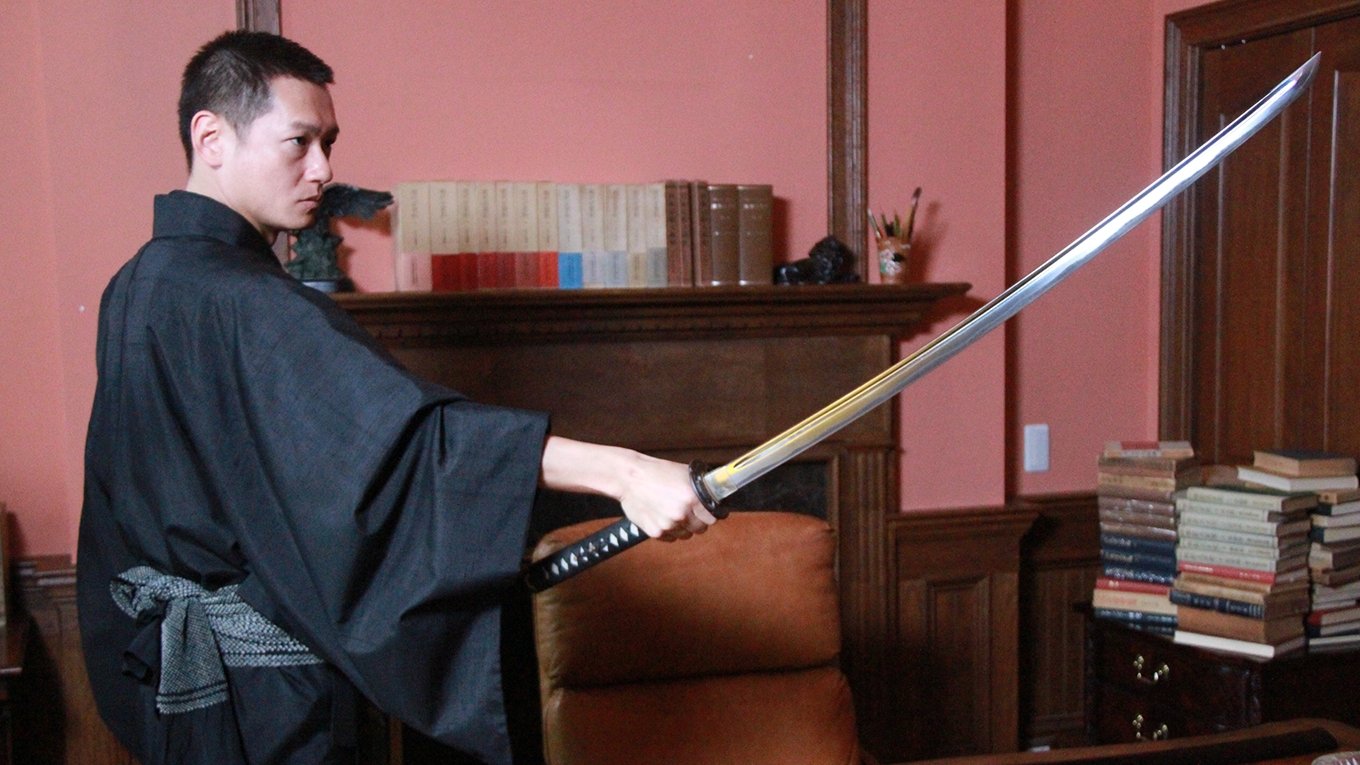
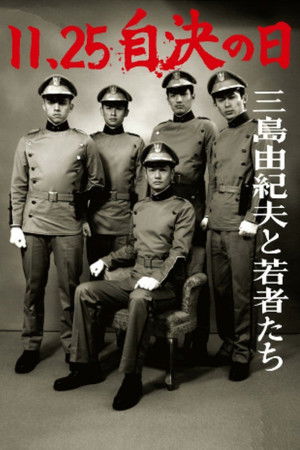


On November 25th 1970, a man committed ritual suicide inside the Tokyo headquarters of the Japanese Ministry of Defence, leaving behind a legacy of masterpieces and a controversy that echoes to this day. The man was Yukio Mishima, one of Japan's greatest and most celebrated novelists. With four members of his own private army - the Tatenokai - Mishima had taken the commandant hostage and called upon the assembled military outside the Ministry to overthrow their society and restore the powers of the Emperor. When the soldiers mocked and jeered Mishima, he cut short his speech and withdrew to the commandant's office where he committed seppuku - the samurai warrior's death - tearing open his belly with a ceremonial knife before being beheaded by one of his colleagues. What was Mishima truly trying to express through his actions? And what did he witness during his final moments?
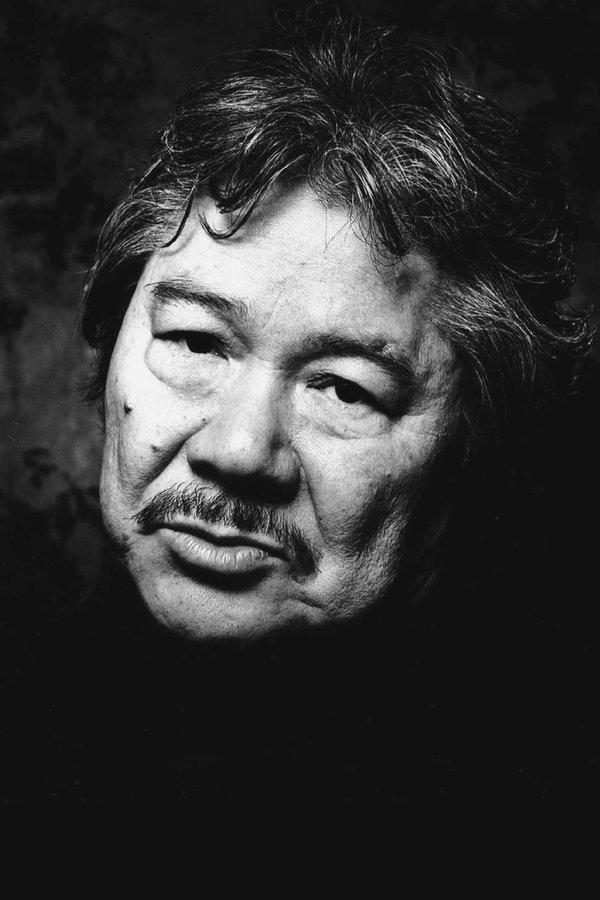
Kōji Wakamatsu
Director

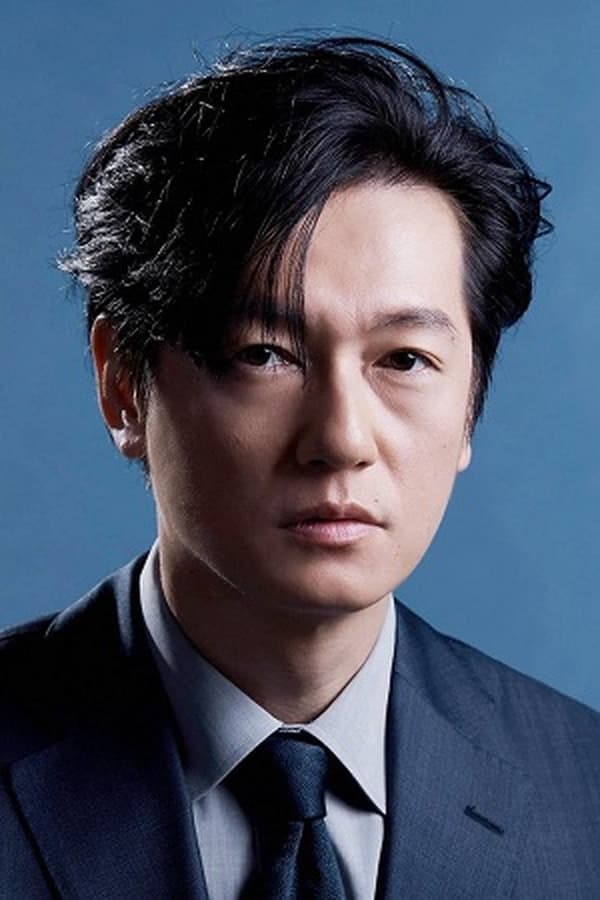
Arata Iura
Yukio Mishima

Shinnosuke Mitsushima
Masakatsu Morita

Tasuku Nagaoka
Masayoshi Shoga

Suzunosuke Tanaka
Masahiro Ogawa
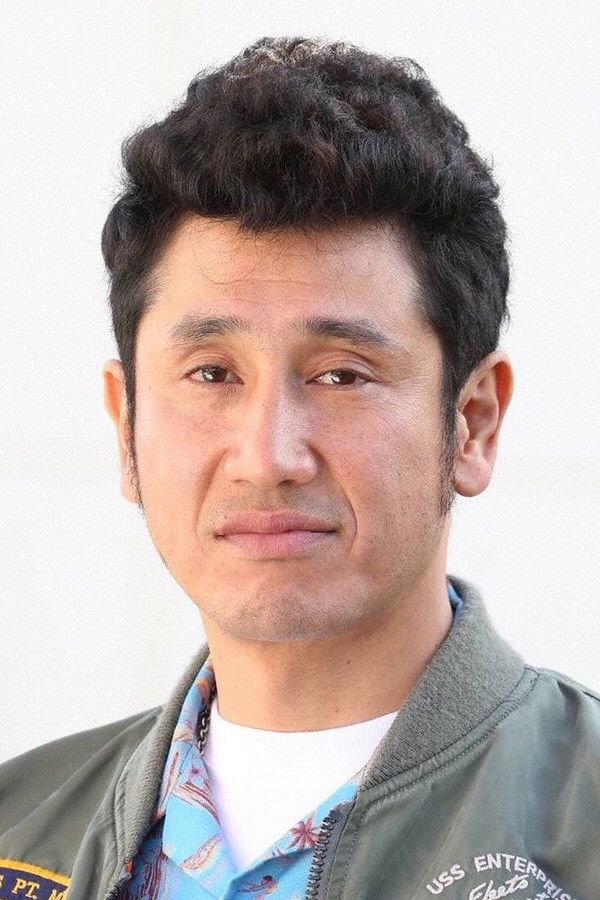
Kiyohiko Shibukawa
Hiroshi Mochimaru
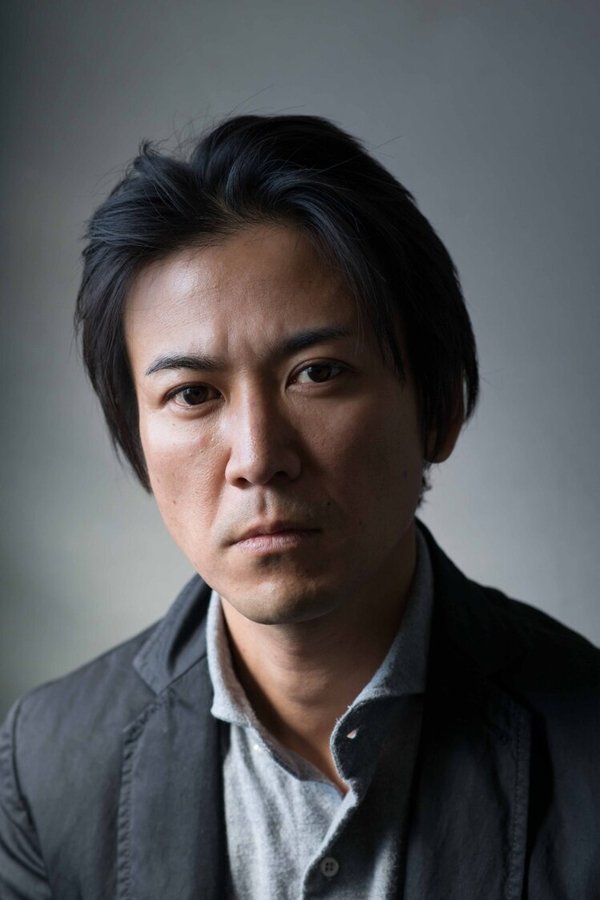
Shima Onishi
Kiyoshi Kuramochi

Hideo Nakaizumi
Kenichi Tanaka

Shinobu Terajima
Yoko Hiraoka

Hanae Kan
Makiko Ueda

Shinji Suzuki
Masakatsu Sekikawa

Motoki Ochiai
Hitchcock is no stranger to innuendo, as was common in that era, but there was something so sophisticated about his approach to 'Rope', and it starts in the first frame.
Inspiring and diverse animated series for the whole family.
Taika Waititi writes, directs and co-stars in 'Boy', set in 1984 New Zealand. The film does just what Waititi dreamed of — it gave a great coming-of-age story to Māori people without making a story of the Māori people as an exotic other.
In the LGBTQ+ holiday rom-com wars, 'Single All The Way' may or may not be the “answer” to 'Happiest Season.'
"65" (2023) is the latest Dino flick to try and answer "what else can we do with dinosaurs?"
In the shadow of towering film production companies lived dozens of grindhouses, genres, and low-budget films deemed too “unclean” for the modern film audience.