
Dead Poets Society Steals a Queer Story
Dead Poets Society relies on patriarchal tropes such as overbearing fathers, contrived brotherhood, and faux-individuality in order to portray its straight white male characters as oppressed.
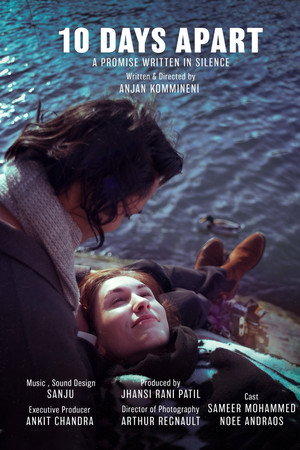


To save their fading love, a couple chooses ten days of silence, writing letters instead of speaking. On the final day, he discovers she was fighting a battle alone and loving him more than he ever knew.
Dead Poets Society relies on patriarchal tropes such as overbearing fathers, contrived brotherhood, and faux-individuality in order to portray its straight white male characters as oppressed.
Korean pop culture has mastered emotions as both a scientific field and an artistic revolution. Think of how K-Pop and K-Dramas have taken over the world. How? Simply put — they are addictive. How are they addictive?
2026 ranks highest in Oscars history for its representation of minorities in all categories, and that’s definitely something to be celebrated.
"Boston Strangler" pulls the curtain back on a well-documented historical moment involving significant contributions from women reporters.
"WHAT ARE YOU WILLING TO SACRIFICE?!!!!" "EVERYTHING!!!!!" This is but one of a multitude of highly emphatic questions, and subsequent answers, being asked in the newest feature film from one of the current masters of horror, Jordan Peele ("Get Out", "Us" and "Nope"). I must give Peele credit in that he continues to push the boundaries of specific genres and their associated tropes in order to provide what ends up amounting to subtly then jarringly intense, yet still character and story-driven, cinema that speaks more to indie stylings than mainstream.
It’s dark, uncomfortable, and there are things that don’t make sense.