The Good Deeds in ‘A Good Person’
‘A Good Person’ makes it clear that forgiveness is hard.




Lighter and livelier than the films Jean-Luc Godard had made in France, his U.S. collaboration with Direct Cinema documentarian D. A. Pennebaker was meant to be One A.M., as in “one American movie”; but Godard quit the project and the U.S., where to his dismay he discovered that revolution wasn’t imminent, and Pennebaker edited Godard’s material, to which he and Richard Leacock even added a bit more, releasing the result as One P.M., as in “one parallel movie.” It’s a stunning mixture of cinéma-vérité, political theater, and interviews of key sixties figures.

D. A. Pennebaker, Jean-Luc Godard, Richard Leacock
Director

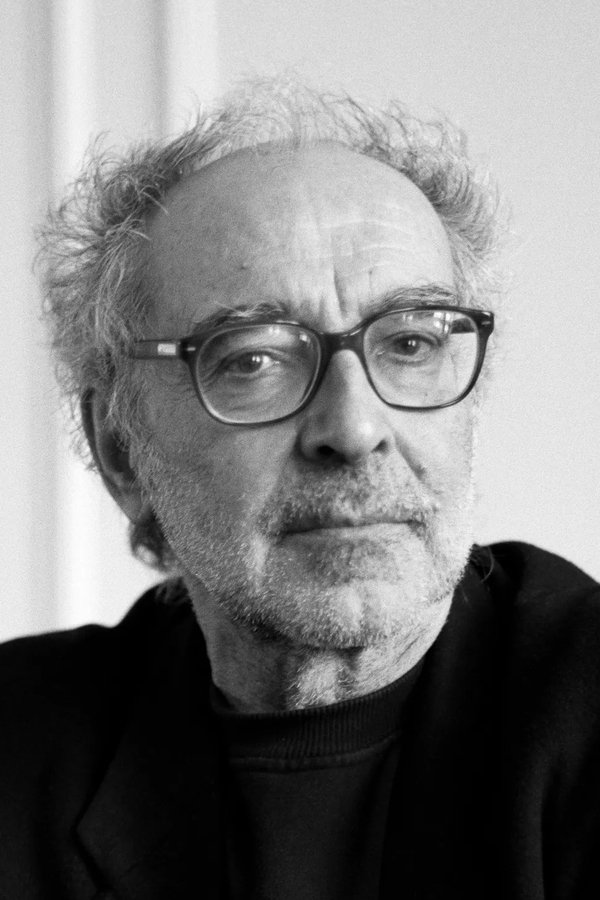
Jean-Luc Godard
Self
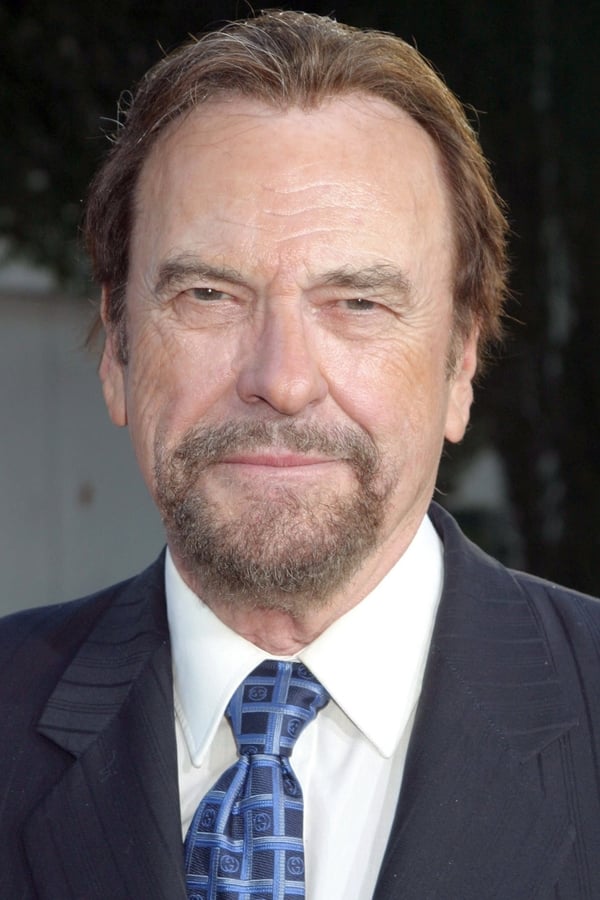
Rip Torn
Self

Eldridge Cleaver
Self

Marty Balin
Self - Jefferson Airplane
Jack Casady
Self - Jefferson Airplane
Spencer Dryden
Self - Jefferson Airplane

Paul Kantner
Self - Jefferson Airplane

Jorma Kaukonen
Self - Jefferson Airplane

Grace Slick
Self - Jefferson Airplane
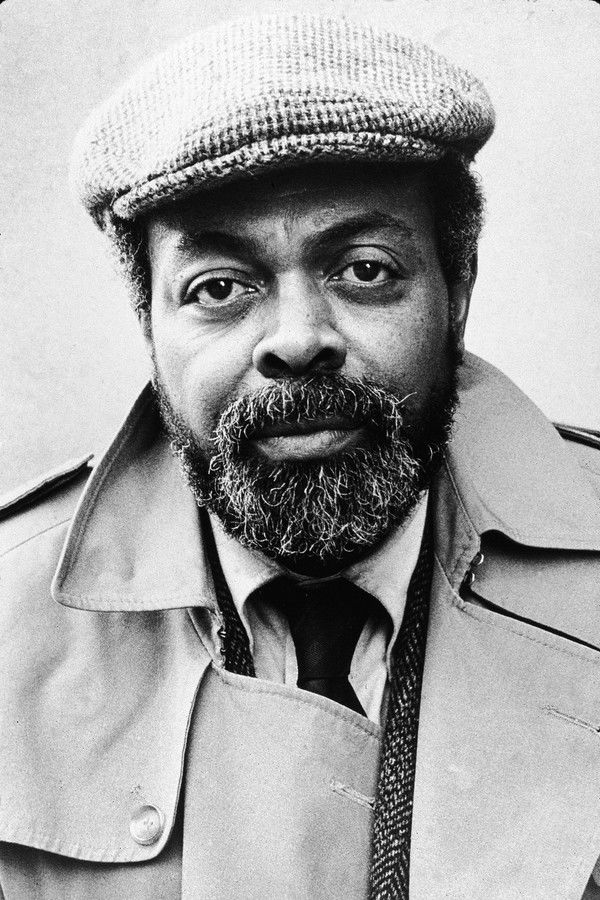
Amiri Baraka
Self

Tom Hayden
Self
‘A Good Person’ makes it clear that forgiveness is hard.
John Fawcett’s "Ginger Snaps" intertwines the lore of the werewolf to the hellish experience of a young girl going through puberty.
The way Jeannette has to deal with child neglect makes her insecure about her parents and how she was brought up and raised in the United States. This continues into adulthood, where Jeannette becomes a successful journalist and is frequently asked about her parents by others.
Given a choice between a man and a mountain, it’s safer to choose the mountain.
The [SPOILER-Free] story of Jurassic World: Dominion is that the humans never learned from their mistakes from the previous films, science is still running amok, and the world is paying the price.
A refreshing twist is that all the kids’ powers are…kind of useless. There’s a kid who can only move in slow motion, a kid who has every power in the world but can only use them randomly, and our main character Missy who has no powers at all. The thesis of the film seems to be that it doesn’t matter what kind of powers you have, its the way you use them, which is good for the warm and fuzzies.