



It: Chapter Two Review: An Ambitious, Worthwhile Sequel
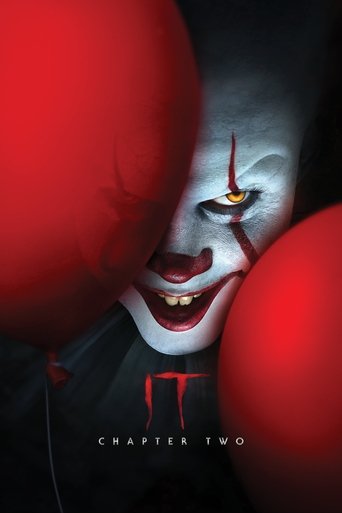
This is ambitious horror filmmaking, and in a lot of ways, I fully admire its ambitions. For me, the film’s sloppiness defines its overall quality.

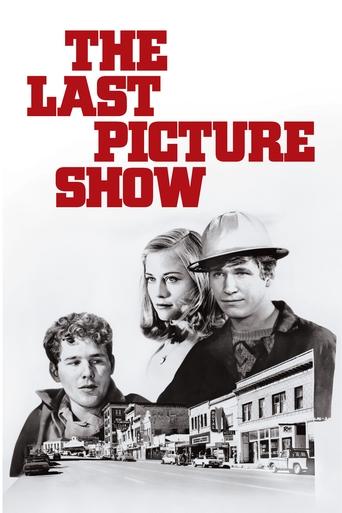
Peter Bogdanovich ComSE (July 30, 1939 – January 6, 2022) was an American director, writer, actor, producer, critic, and film historian. He started his career as a film critic for Film Culture and Esquire before becoming a prominent filmmaker as part of the New Hollywood movement. He received accolades including a BAFTA Award and Grammy Award, as well as nominations for two Academy Awards and two Golden Globe Awards. Bogdanovich worked as a film journalist until he was hired to work on Roger Corman's The Wild Angels (1966). His credited feature film debut came with Targets (1968), before his career breakthrough with the drama The Last Picture Show (1971) which earned him Academy Award nominations for Best Director and Best Adapted Screenplay, and the acclaimed films What's Up, Doc? (1972) and Paper Moon (1973). Other films include Saint Jack (1979), They All Laughed (1981), Mask (1985), Noises Off (1992), The Cat's Meow (2001), and She's Funny That Way (2014). As an actor, he was known for his roles in HBO series The Sopranos and Orson Welles's last film The Other Side of the Wind (2018), which he also helped finish. He received a Grammy Award for Best Music Film for directing the Tom Petty documentary Runnin' Down a Dream (2007). Bogdanovich directed documentaries such as Directed by John Ford (1971) and The Great Buster: A Celebration (2018). He also published numerous books, some of which include in-depth interviews with friends Howard Hawks, Alfred Hitchcock, and Orson Welles. Bogdanovich's works have been cited as important influences by many major filmmakers. Description above from the Wikipedia article Peter Bogdanovich, licensed under CC-BY-SA, full list of contributors on Wikipedia.
This is ambitious horror filmmaking, and in a lot of ways, I fully admire its ambitions. For me, the film’s sloppiness defines its overall quality.
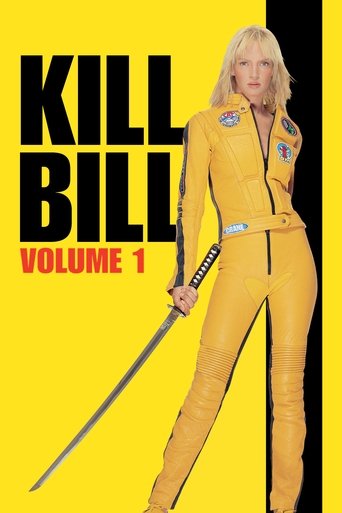
Kill Bill: Volume 1 is a highly entertaining flick, designed to tap into our levels of adrenaline. Tarantino has crafted a cinematic winner, overflowing with nostalgic richness and a love for cinema.